Pecan
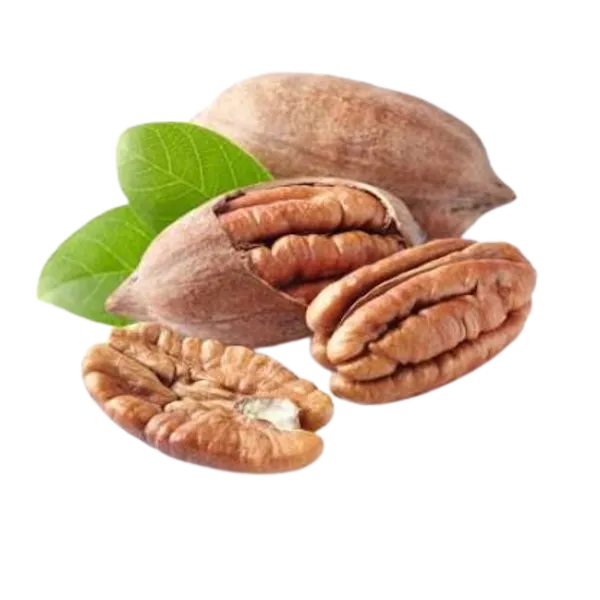
🌳🥜 Hello, friends! Today we will learn about the pecan—a majestic tree that provides us with delicious nuts, resembling small southern treasures. These are not just nuts; they are true gifts of nature, full of flavor and benefits!
What is Pecan?
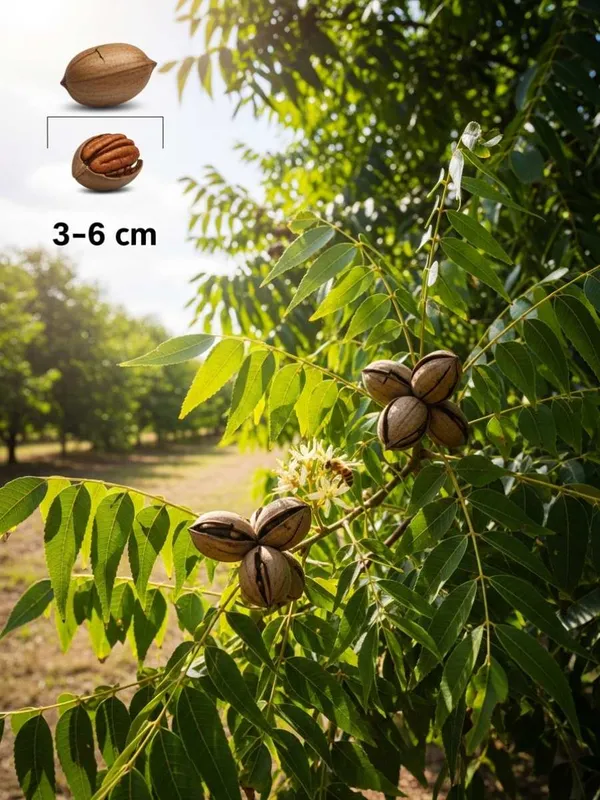
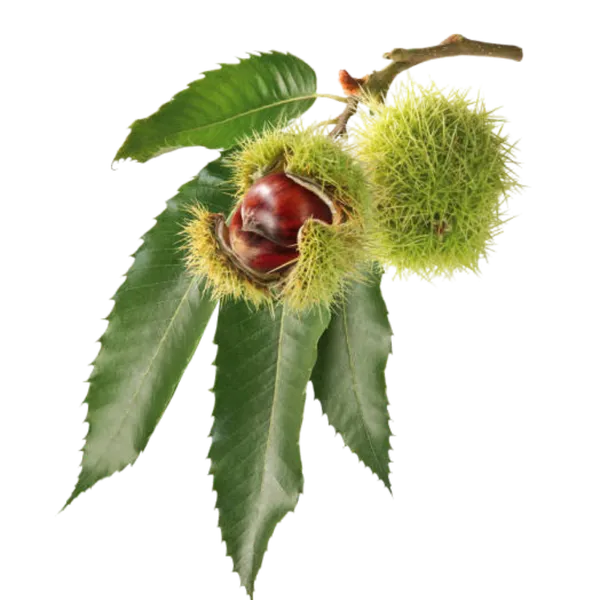
Pecan (Carya illinoinensis) is a tall tree belonging to the walnut family, native to North America. It produces elongated nuts in a hard shell and can live up to 300 years, much like a true forest elder!
Pecan Varieties — For Every Garden
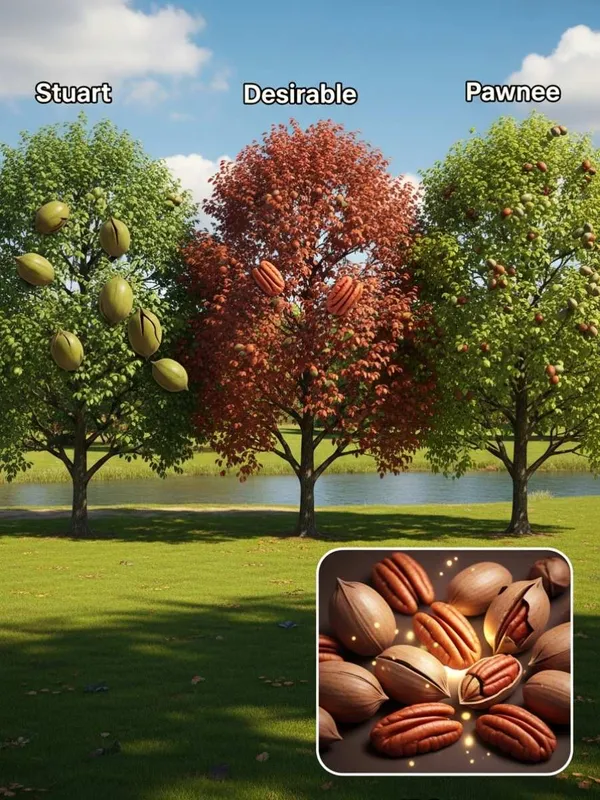
There are different pecan varieties: Stuart (large nuts, drought-resistant), Desirable (sweet taste), and Pawnee (early harvest). All of them yield delicious nuts but are suitable for various climates—from warm southern regions to cooler plains!
Dimensions — From Tree to Giant
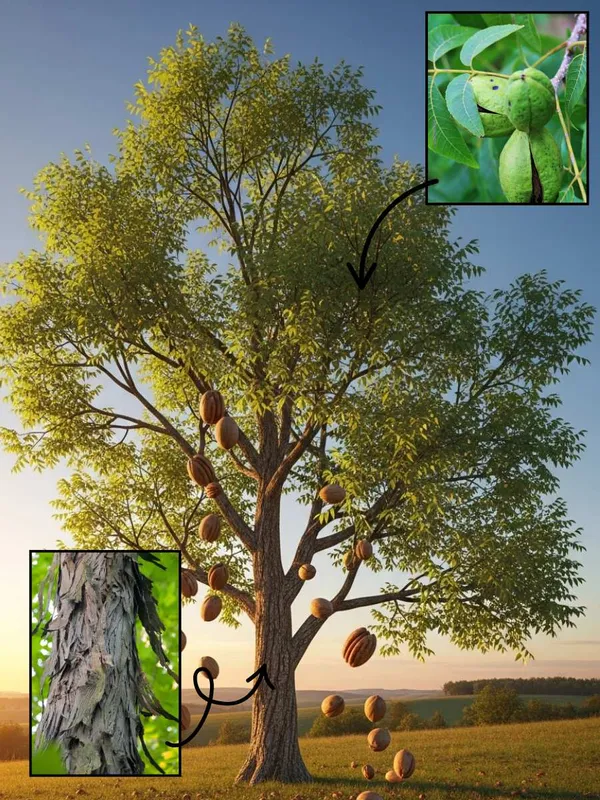
The pecan tree grows up to 20–40 meters (65–130 feet) tall, with a canopy up to 20 meters (65 feet) wide! The nuts are 3–6 cm (1.2–2.4 inches) long, and the yield from a single tree can reach 50 kg (110 lbs) per season—like an entire basket full of delicious treats!
What Are Pecans Used For?

Pecan nuts are eaten raw, roasted, and added to pies, salads, and ice cream. Oil is extracted from them for cooking, and the wood is used for making furniture and smoking meat. The leaves are sometimes brewed as tea!
Interesting Fact: Ancient Delicacy
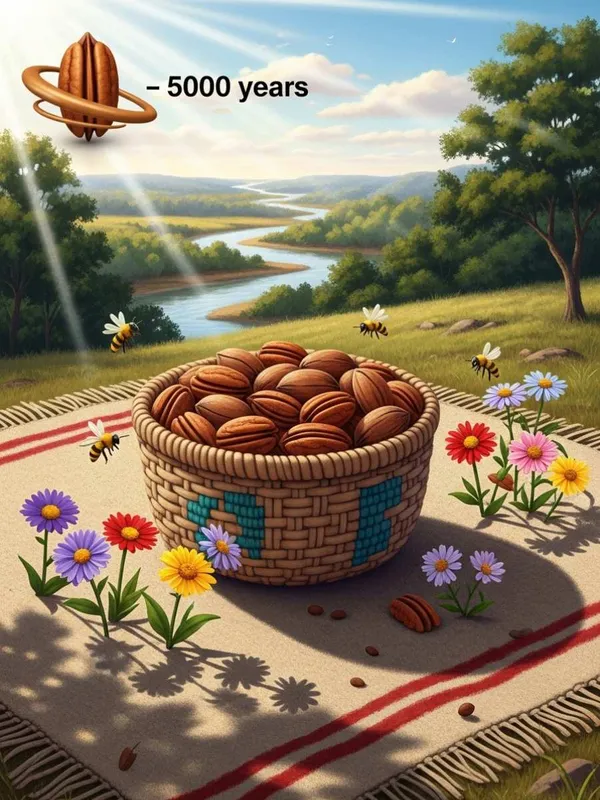
Pecans were cultivated by Native Americans 5,000 years ago, who called it 'pí-kan'—a nut that requires a stone to crack. A single nut contains up to 10% protein, and the trees attract bees with their tiny flowers.
Record: The Largest Pecan

In 2016, the largest pecan nut was grown in Texas, weighing 85 grams—the size of a small lemon! The tallest pecan tree reached 44 meters (144 feet) in Louisiana in 2019, truly acting as a forest skyscraper!
Interesting Fact: Healthy Secrets

Pecans are rich in vitamins E and B, as well as magnesium and zinc, all of which support the heart and brain. Its oil moisturizes the skin, and the nuts provide energy for playing and studying. Pecans can even be grown in large pots!
Where Does Pecan Grow?
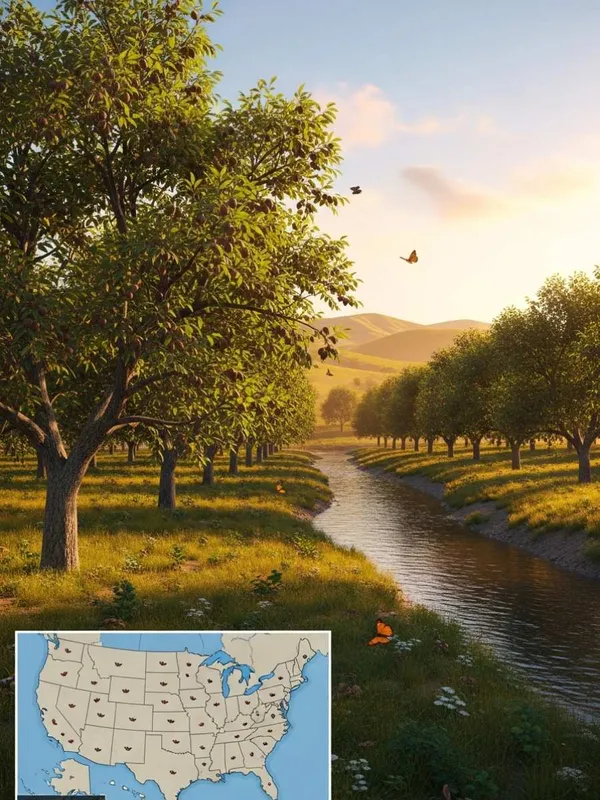
The pecan tree thrives in the warm climates of the Southern US (Texas, Georgia), Mexico, and Australia. Wild trees typically grow along rivers, while cultivated trees are found on plantations. They prefer moist soil and plenty of sun.
How to Grow Pecans?
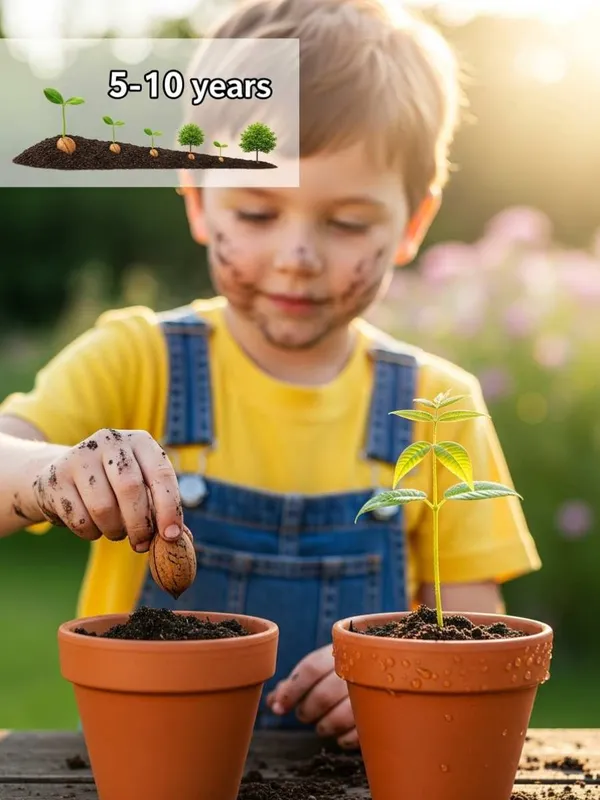
Plant a nut or seedling in loose soil in the sun during spring, water it, and wait for germination. Prune the branches to shape the tree and protect it from pests. Expect the harvest in 5–10 years—pecans grow slowly but produce many nuts!
The Pecan's Superpower

The pecan is not just a nut; it's a southern garden hero! It offers flavor, health benefits, and beauty, lives for centuries, and supports nature. It is resilient, like a cowboy, and grows where it is warm and humid. What pecan dessert would you like to try? 🥜
Experiment: 'Grow a Pecan from a Nut'

Let's grow our own pecan tree—it's simple and shows how a forest giant begins! What you will need: - A ripe pecan nut (fresh, no cracks); - A small pot; - Soil (sandy or garden soil); - Water; - A windowsill with warm light.
How to Do It:
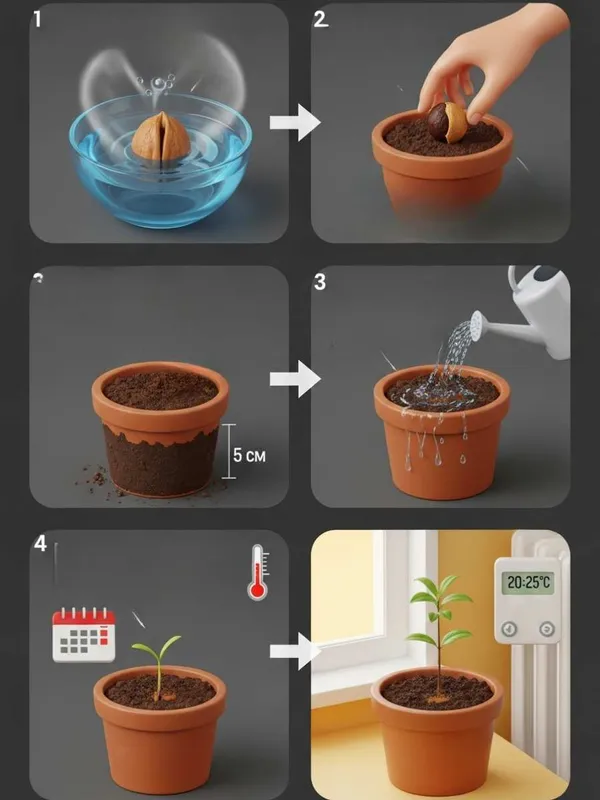
1_Soak the nut in water for 24 hours to 'wake it up.' 2_Plant the nut in the pot 3–5 cm deep in the soil. 3_Water it so the soil is moist, but not soaking wet. 4_Place the pot in a warm spot (20–25°C or 68–77°F) and water it every 3–4 days. 5_A sprout will appear in 4–8 weeks, and after a year, you will have a small sapling!
What Happens:
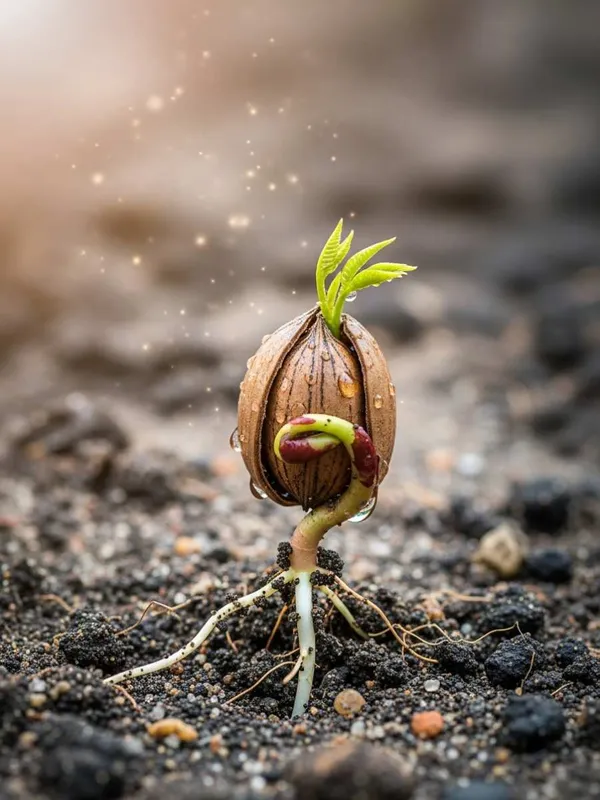
The nut germinates by utilizing moisture and warmth, just like a seed in the ground. This is the start of the tree's life, which will grow large and produce its own nuts! Tip: Do not overwater the nut—it might rot. Do this activity with an adult to ensure success.
That's the Pecan — Delicious and Mighty!
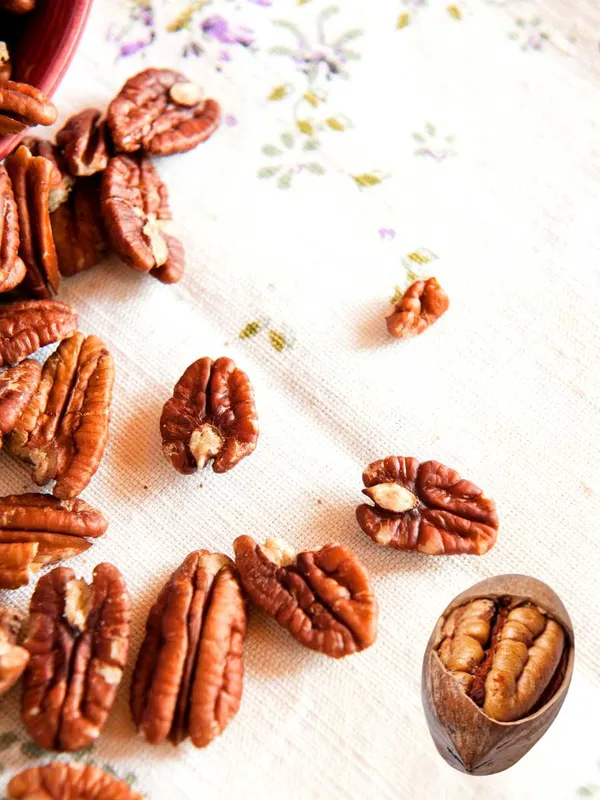
Try growing your sprout and let us know if it successfully emerged! If you want to change anything, let me know!