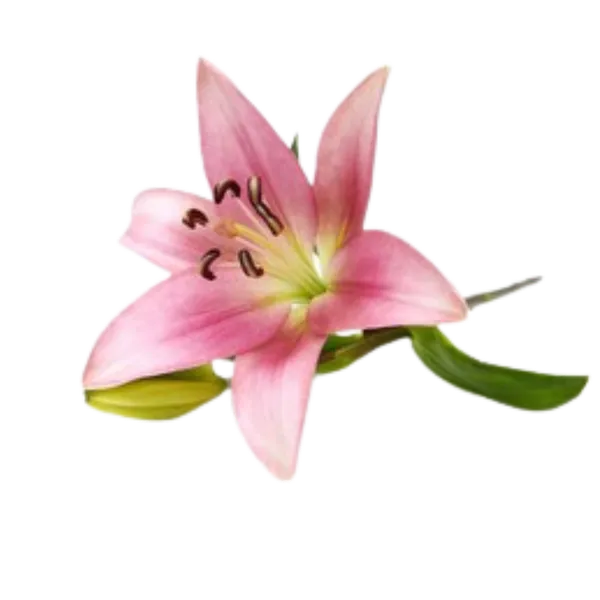
Lily
Hello, friends! Today we are going to learn about lilies—graceful flowers that transform gardens into magical bouquets. With their delicate petals and vibrant colors, they are like the fairy-tale princesses of nature! Let's explore 10 interesting facts about lilies.
What is a Lily?
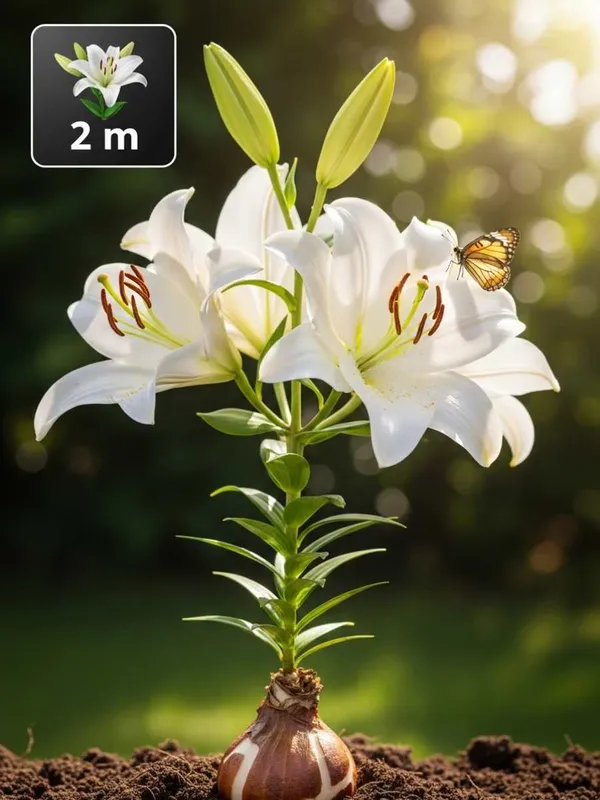
The lily (Lilium) is a perennial plant grown from a bulb, producing tall stems topped with large flowers. It can grow up to 2 meters (6.5 feet) high and live for 10–20 years, bringing joy with its annual bloom, just like a faithful garden friend!
Types of Lilies — For All Seasons
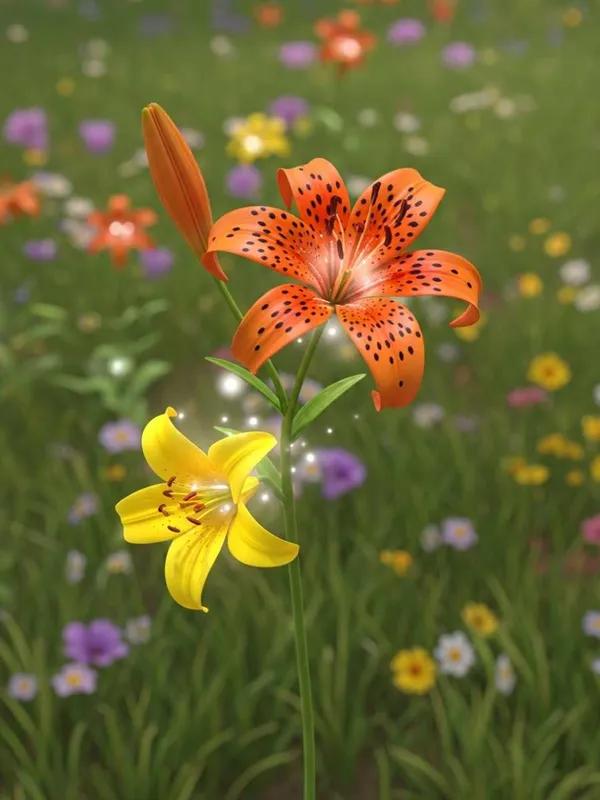
There is the Tiger Lily (Lilium lancifolium) with orange spots resembling a tiger's coat, and the Canadian Lily (Lilium canadense) with yellow or red petals, which thrives in wet meadows. There are also Asiatic and Oriental lilies perfect for gardens!
Sizes — From Mini to Giant
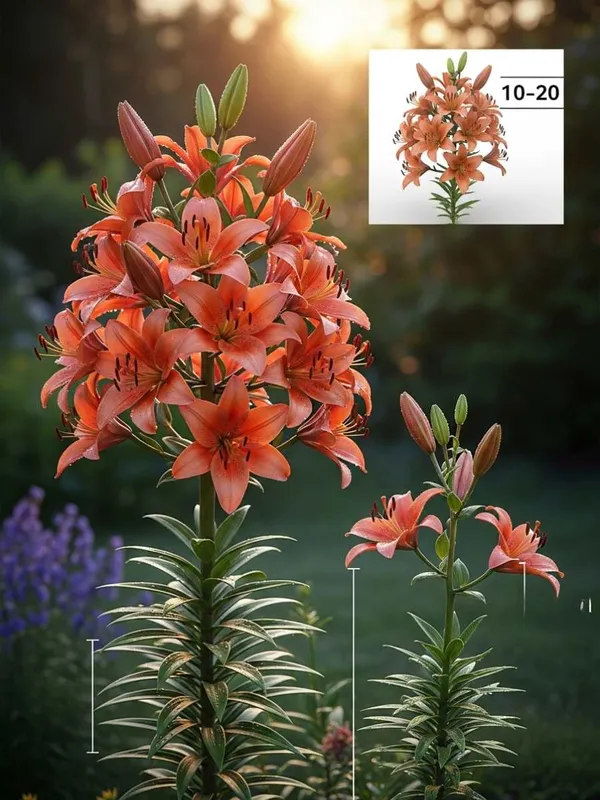
Lilies can grow from 30 cm (small varieties) up to 2.5 meters (8.2 feet) (tall Tiger Lilies)! The individual flowers range from 5–25 cm (2–10 inches) in diameter, like plates of different sizes, and a single cluster can feature 10–20 blossoms.
What Are Lilies Used For?
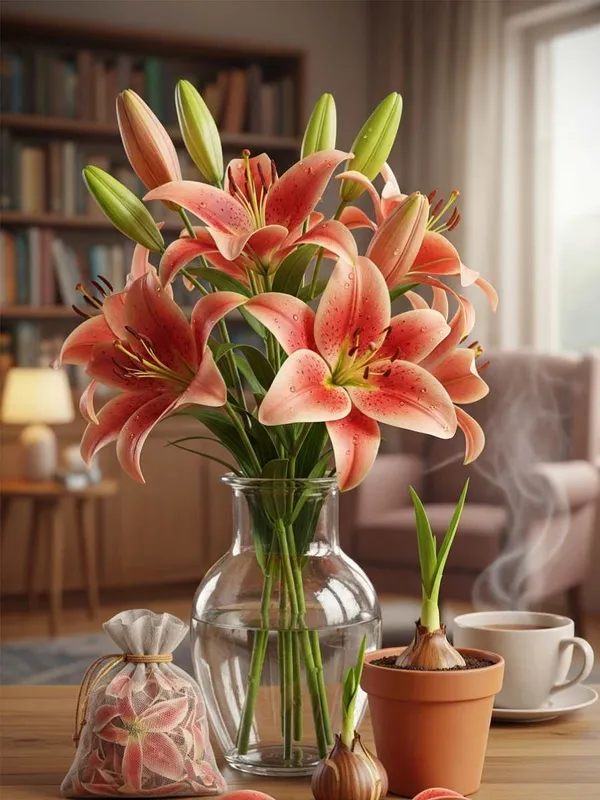
Lilies are used in bouquets as gifts, planted in gardens for their beauty, and their bulbs are even consumed as a vegetable in Asia. Their petals are used to make fragrant sachets, while dried petals can serve as home decorations!
Interesting Fact: An Ancient Symbol
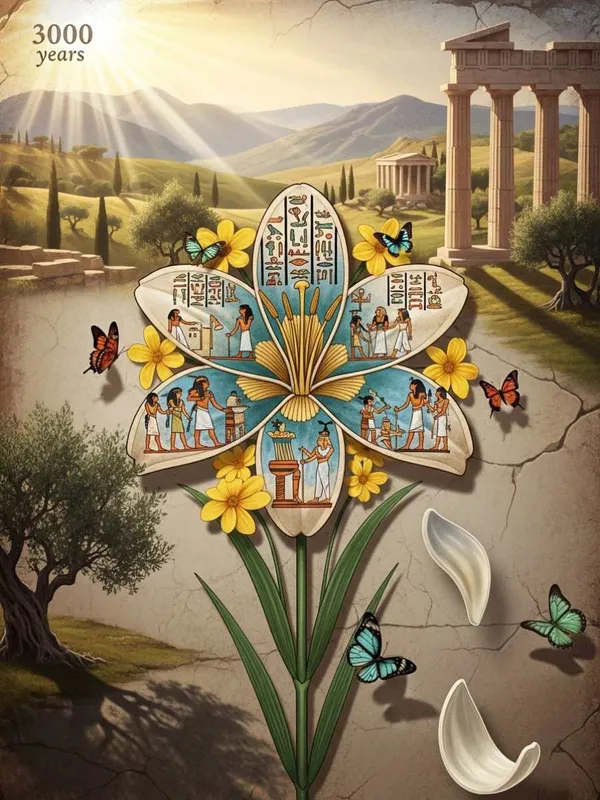
Lilies have been known for 3,000 years—ancient Egyptians painted them on frescoes, and the Greeks dedicated them to the goddess Hera! A single flower typically has 6 petals, and lilies attract butterflies with their sweet drops of nectar.
Record: The Largest Lily
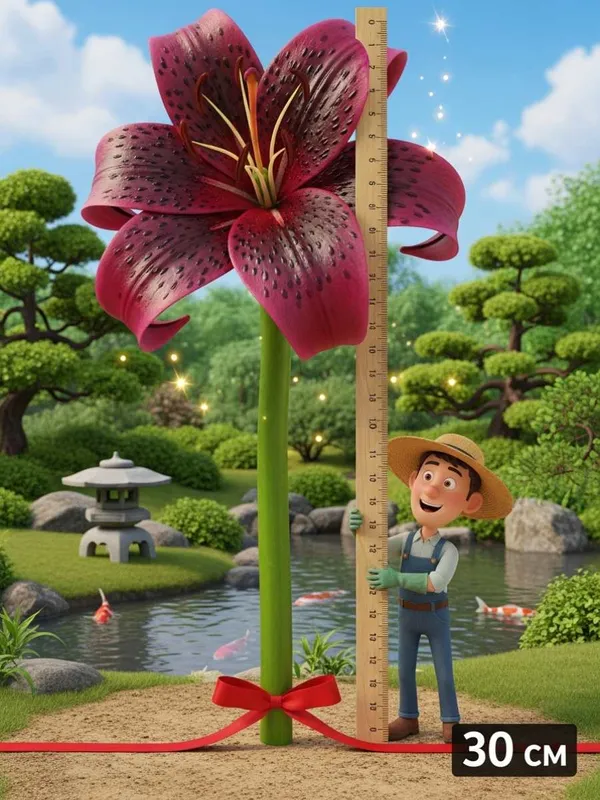
The largest lily flower belongs to the Lilium 'Black Beauty' variety, measuring 30 cm (12 inches) in diameter—like a small plate! The world’s tallest lily-tree reached 3 meters (nearly 10 feet), grown in Japan in 2020.
Interesting Fact: Beneficial Secrets
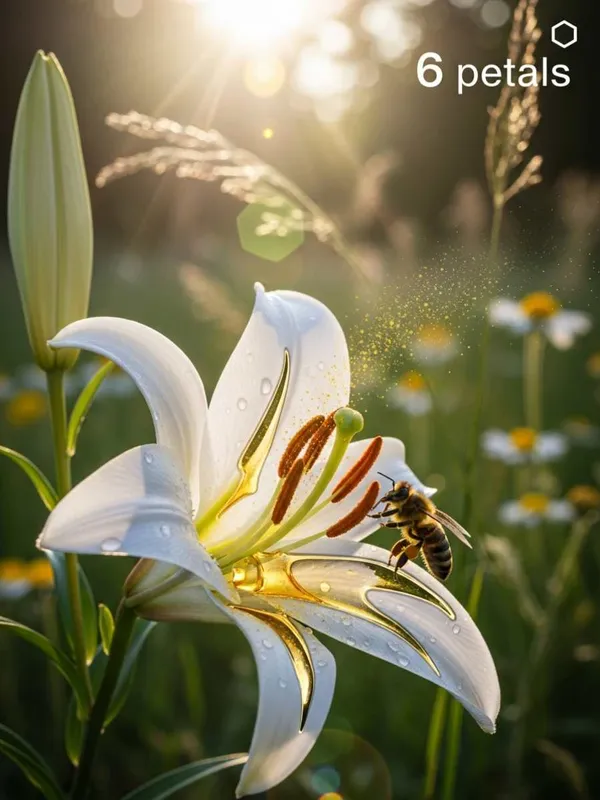
Lilies contain vitamins A and C, which strengthen the immune system and skin. Their pollen is a source of protein for bees, and their bulbs are used in folk medicine to help treat coughs. Lilies can also be successfully grown in pots on a balcony!
Where Does the Lily Grow?
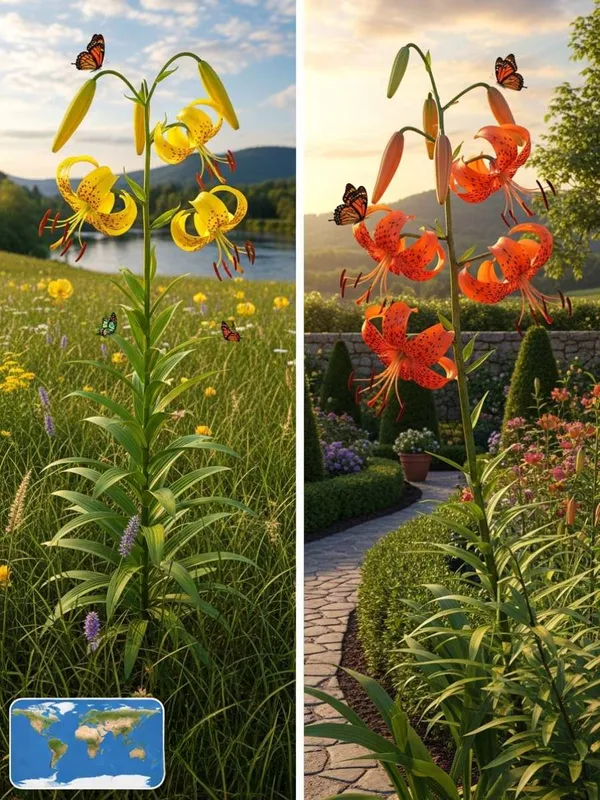
Lilies prefer moderate climates: they are found in Europe (Tiger Lilies in gardens), North America (Canadian Lilies in meadows), Asia (wild ones in forests), and even Australia. Wild lilies grow in moist soils, clinging to the earth with their roots.
How to Grow a Lily?
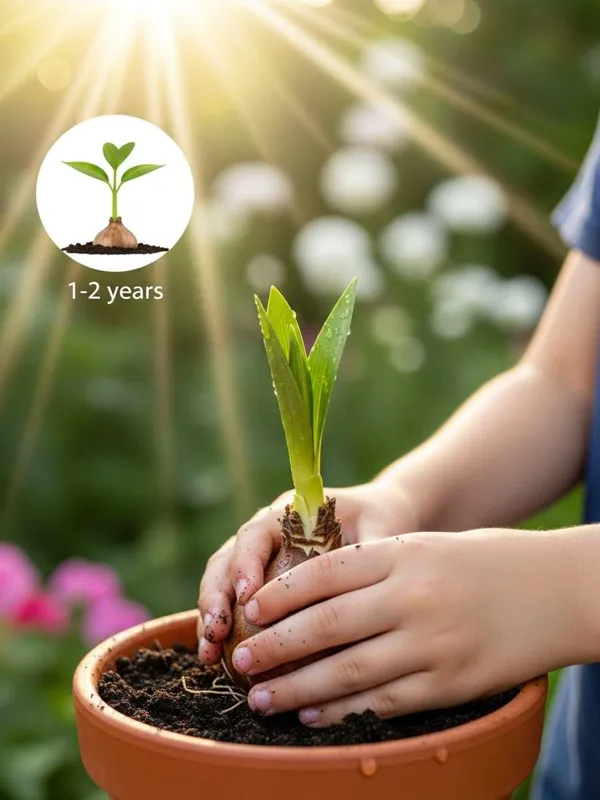
Plant the bulb in loose soil in a sunny spot in the spring, water it, and wait for it to sprout. Prune the stems after flowering and protect the plant from pests. You can expect flowers within 1–2 years—the lily grows quickly but needs rest periods!
The Lily's Superpower
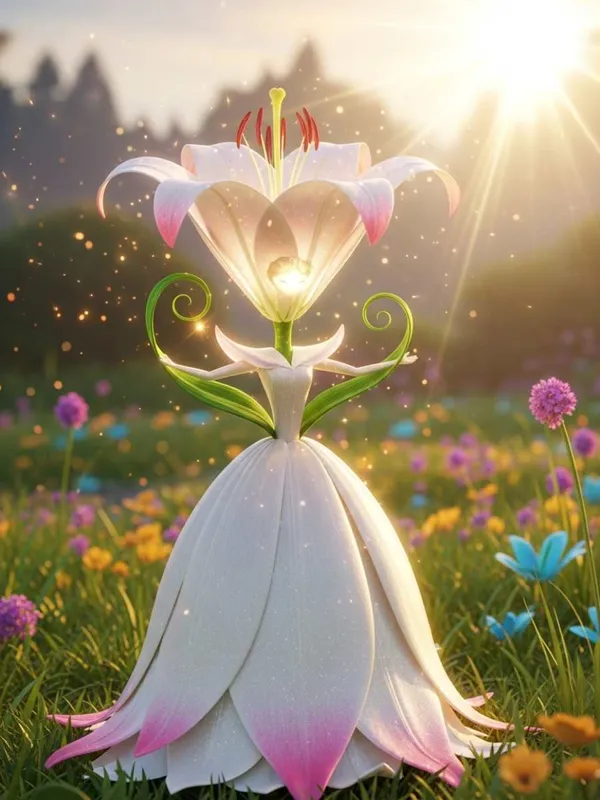
The lily is more than just a flower; it is the vibrant princess of the garden! It offers beauty, fragrance, and benefits, lives for years, and helps nature. It is graceful, like a dancer, and thrives where it is moist and bright. What color lily would you plant? 🌸
Experiment: 'Growing a Lily from a Bulb'
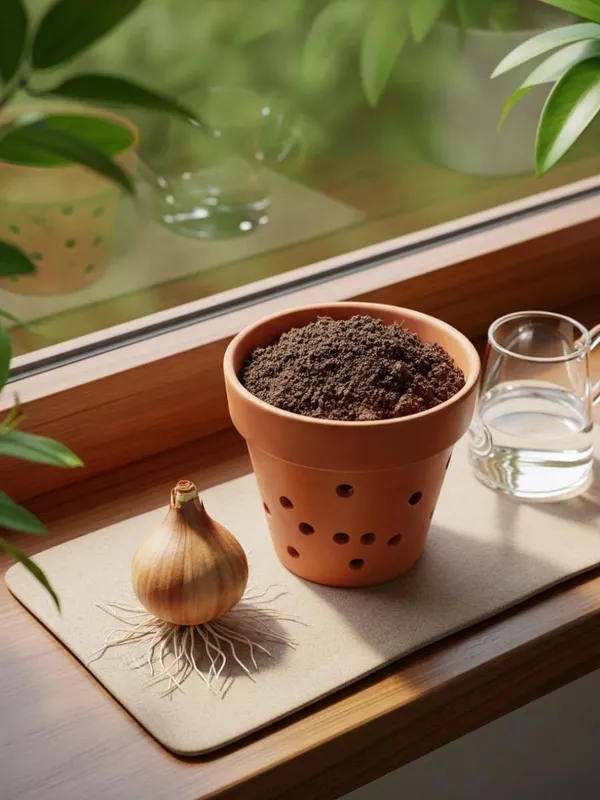
Let’s grow our own lily—it's simple and shows how the flower begins!What you will need:A lily bulb (small, healthy);A pot;Soil (loose garden soil);Water;A windowsill with diffused light.
How to Do It:
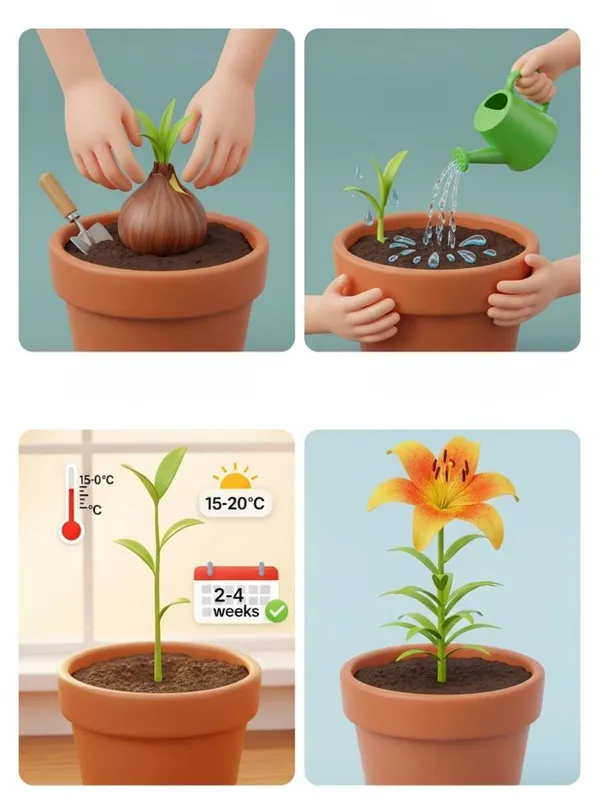
Plant the bulb 5–7 cm (2–3 inches) deep in the soil within the pot.Water it so the soil is moist.Place the pot in a warm spot (15–20°C or 59–68°F) and water every 4–5 days.A sprout will appear after 2–4 weeks, and you will see a flower in 3–4 months!
What Happens:
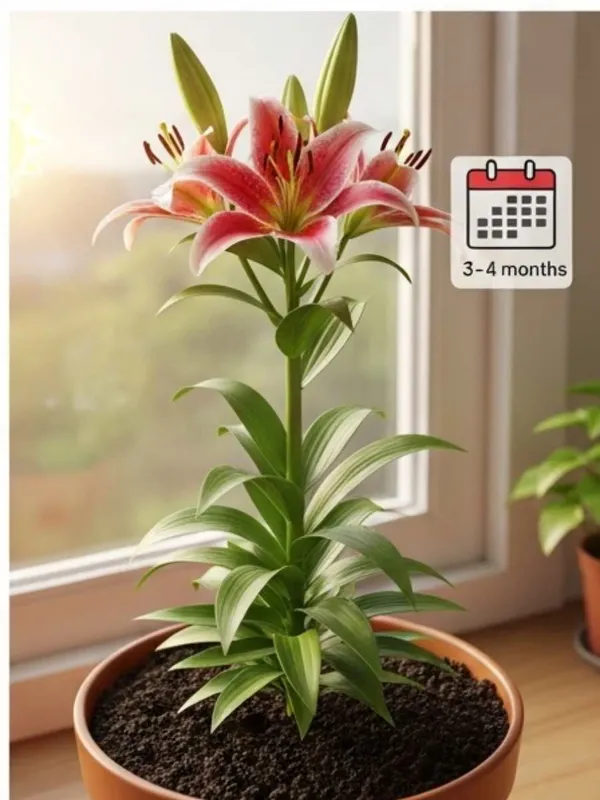
The bulb sprouts, using moisture and warmth, much like a seed in the ground. This is the start of the flower’s life, which will eventually unfold its petals and attract butterflies! Tip: Do not overwater—the bulb may rot. Perform this experiment with an adult to ensure success.
That's the Lily—Graceful and Vibrant!
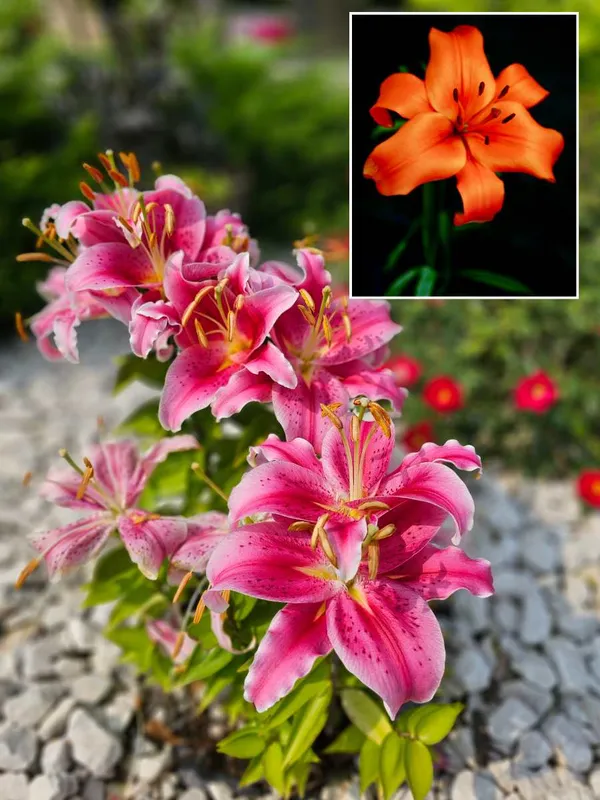
Try growing your own flower and tell us if it blooms for you! If you have any questions, feel free to ask!