Great Crested Newt
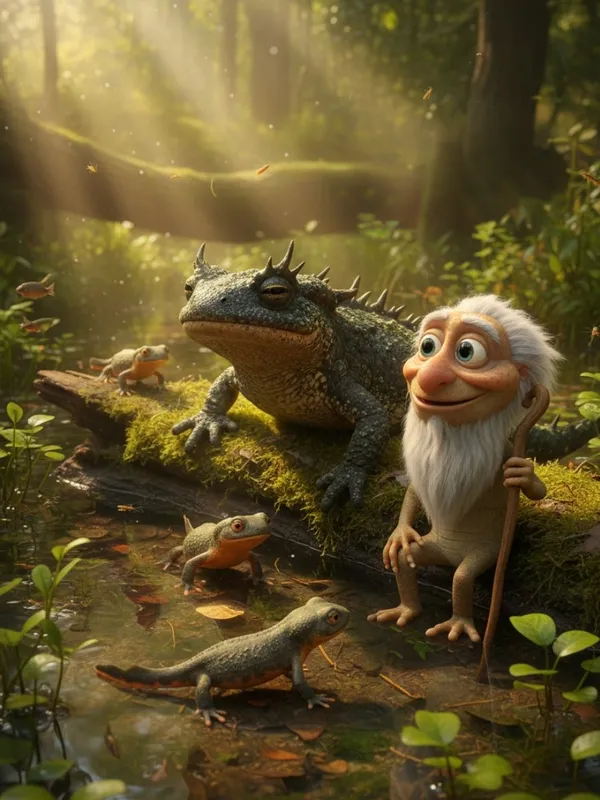
Hello, young explorers! Today we're going to meet an amazing creature that looks like a little dragon and lives in our waters—the great crested newt! It becomes especially beautiful in spring when a real crest grows on its back. This unusual little animal is very important for nature. 🦎
Dragon Outfit:
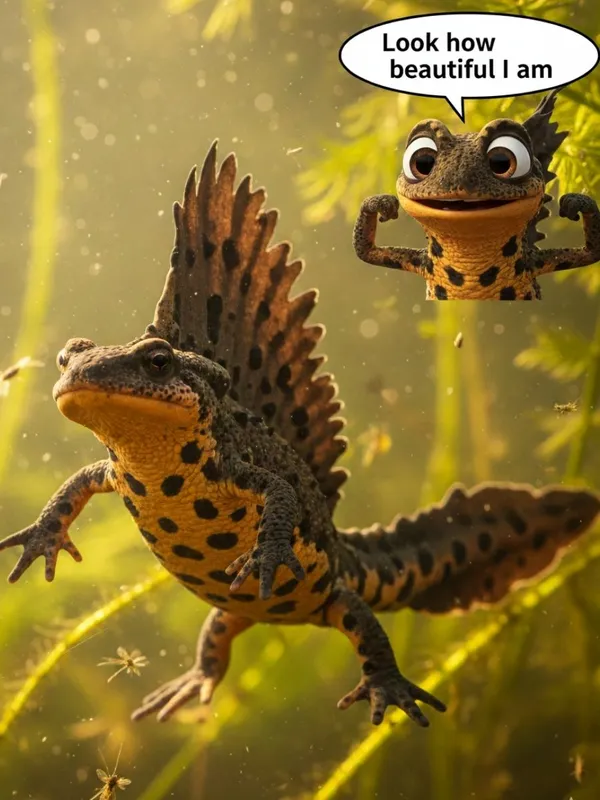
Male great crested newts become very fancy in the spring! They grow a high, jagged crest along their back and tail, looking like a saw or a dinosaur's crest. It's very beautiful and helps them attract females.
Where does it live? (Habitat)
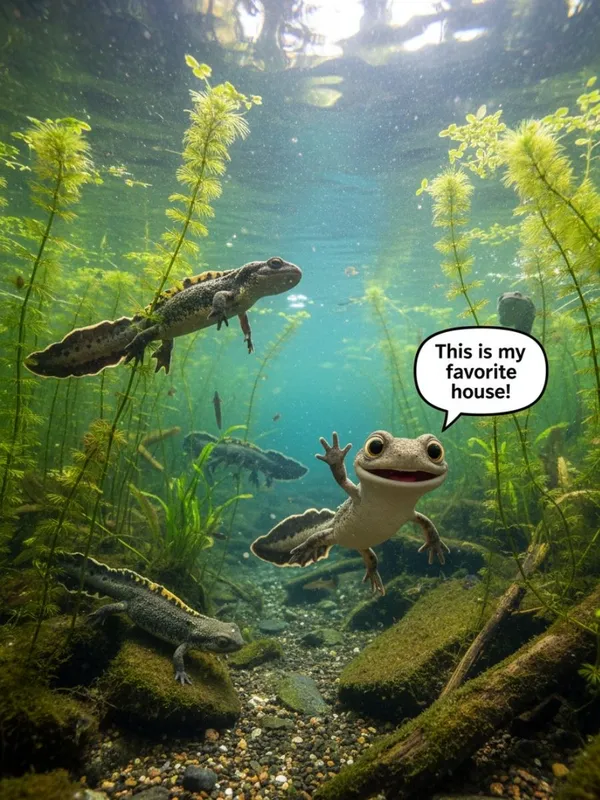
The great crested newt lives in many European countries, including Ukraine. It loves clean, cool bodies of water—ponds, oxbow lakes, forest pools, and sometimes even large puddles. The most important thing is that the water is relatively clean and surrounded by plenty of vegetation.
Two Homes:
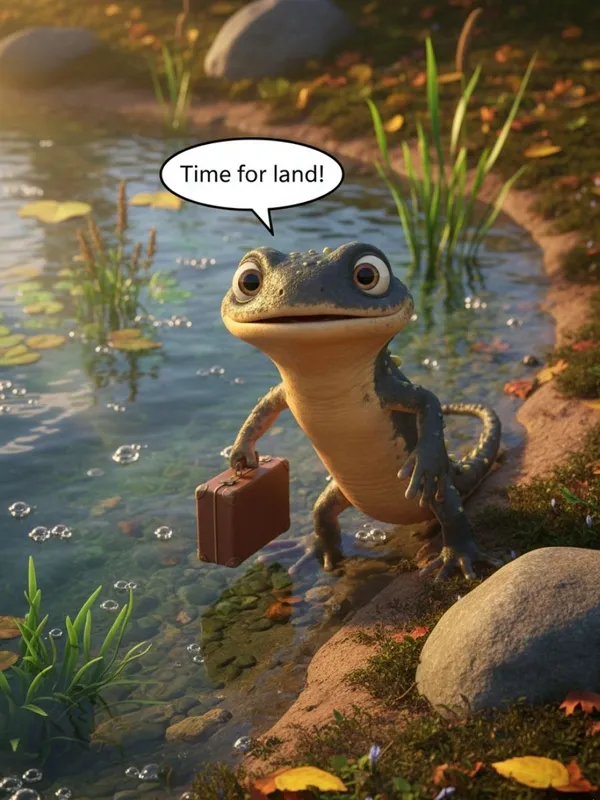
Water and land: The newt is a fascinating animal because it spends part of the year in the water (during spring and early summer) and part on land. On land, it hides under stones, in logs, or under leaves, returning to the water to reproduce.
What does it eat? (Diet)
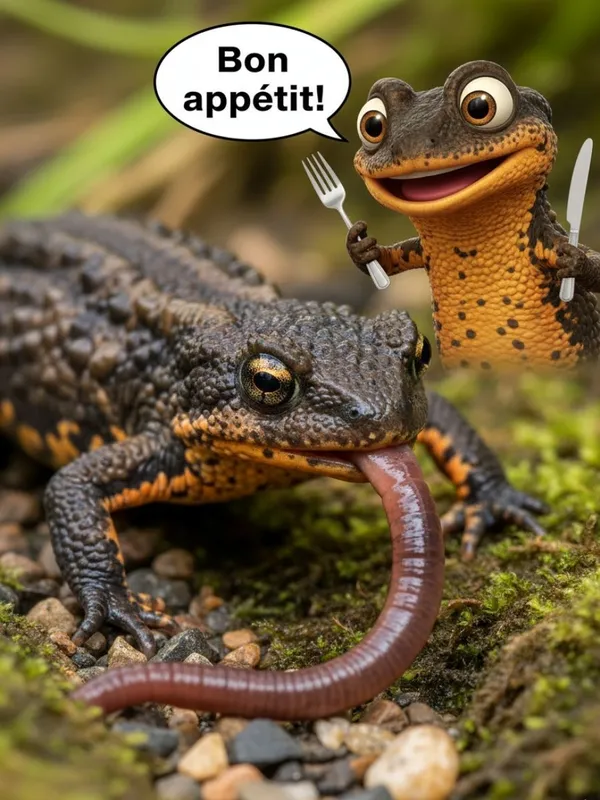
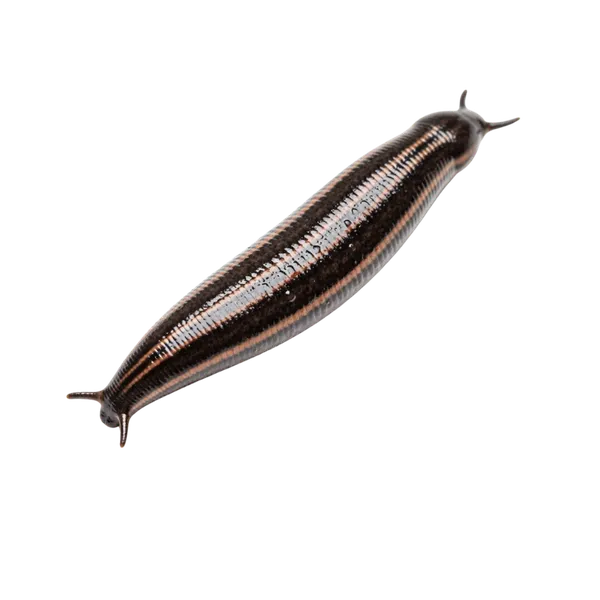
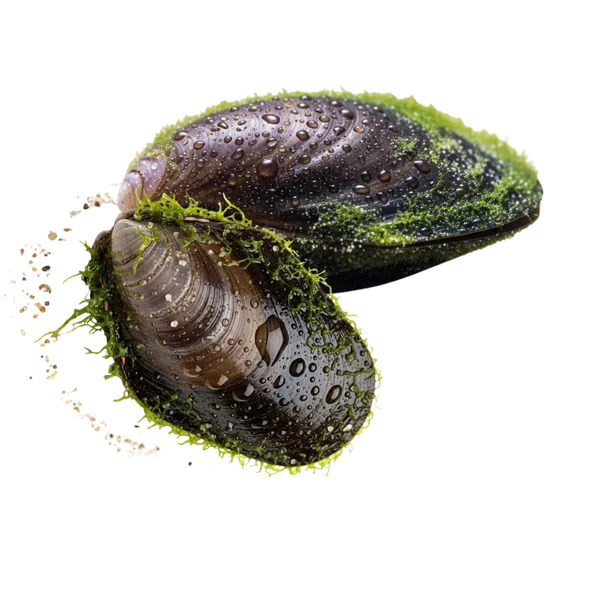
The newt is a predator. In the water, it hunts small insects, their larvae, crustaceans, snails, and even the eggs of other amphibians. On land, it eats worms, slugs, and other small invertebrates. It has very sharp eyesight!
How does it protect itself?
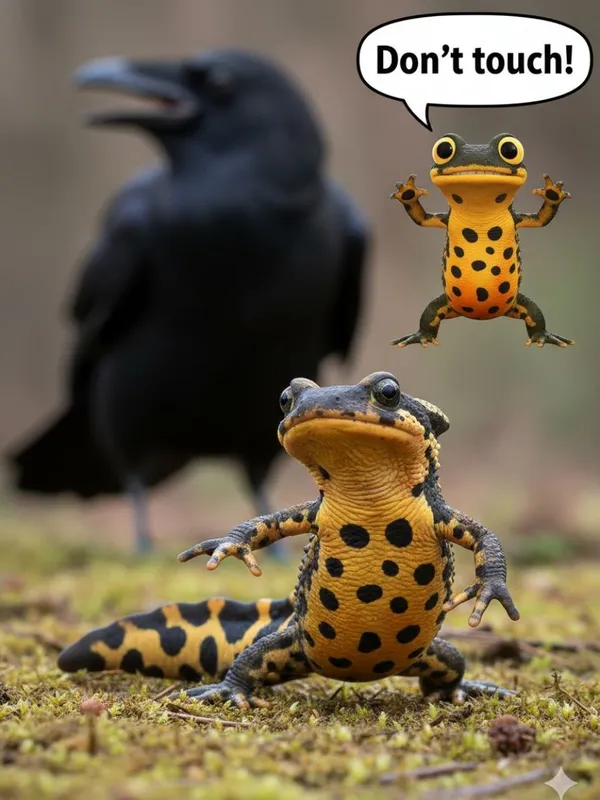
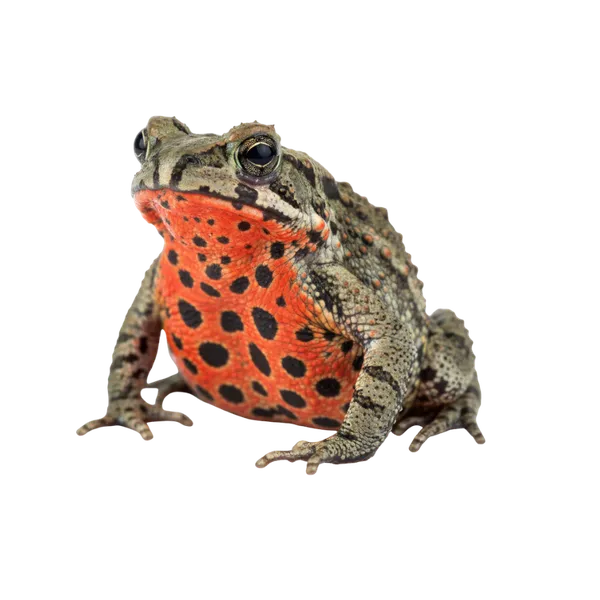
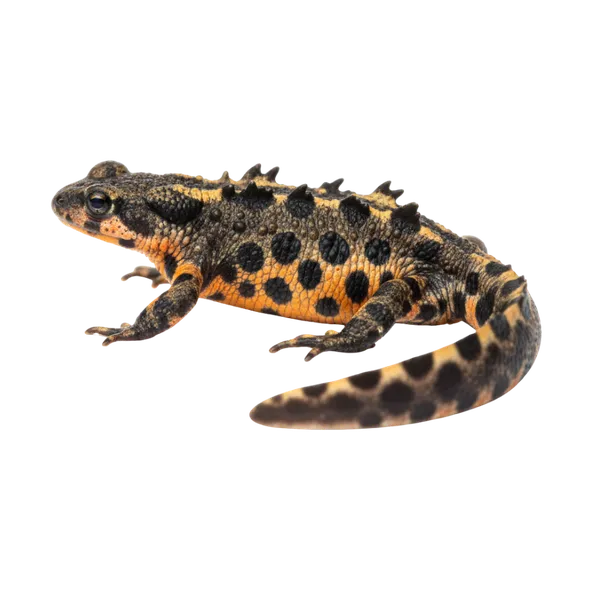
When a newt is in danger, it shows off its bright belly—yellow or orange with black spots. This serves as a warning to predators that it is unpalatable and perhaps even slightly toxic. Its skin secretes a mild poisonous mucus that is not dangerous to humans.
Winter Sleep:
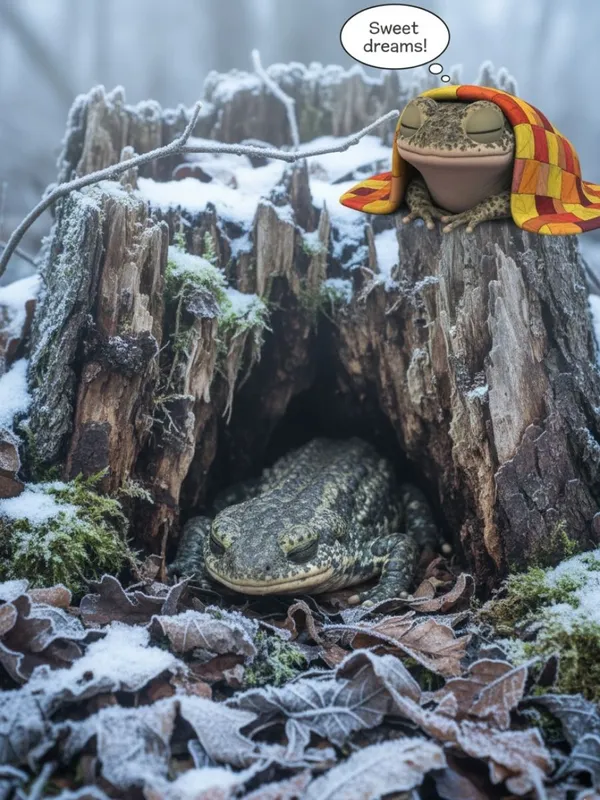
Like many other amphibians, the great crested newt hibernates. It hides in secluded spots on land—under rocks, in rotten stumps, or in rodent burrows—and sleeps there until the warm weather returns in spring.
Development:
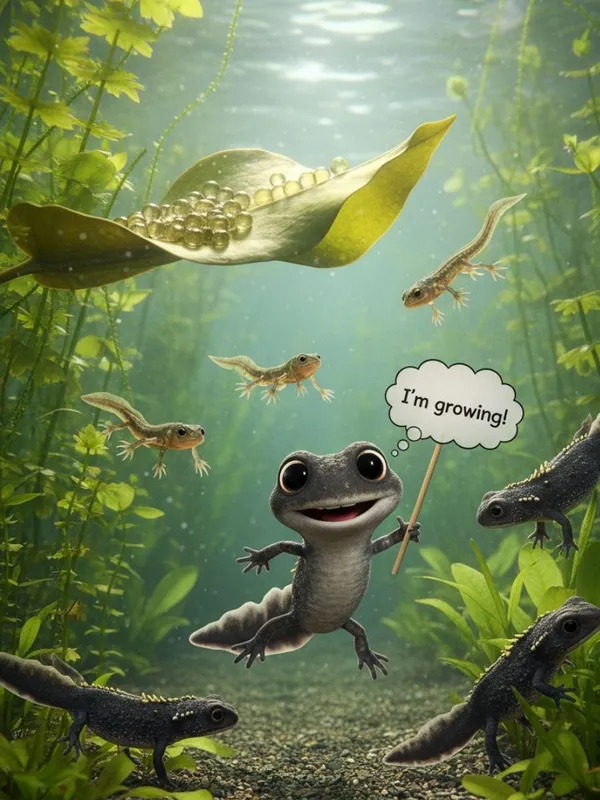
From egg to newt: The female newt lays eggs on underwater plants, carefully wrapping each individual egg in a leaf. Larvae hatch from the eggs, looking like tadpoles but with external gills for breathing underwater. Over time, the larvae grow, develop legs, and transform into little newts.
Changing Skin:
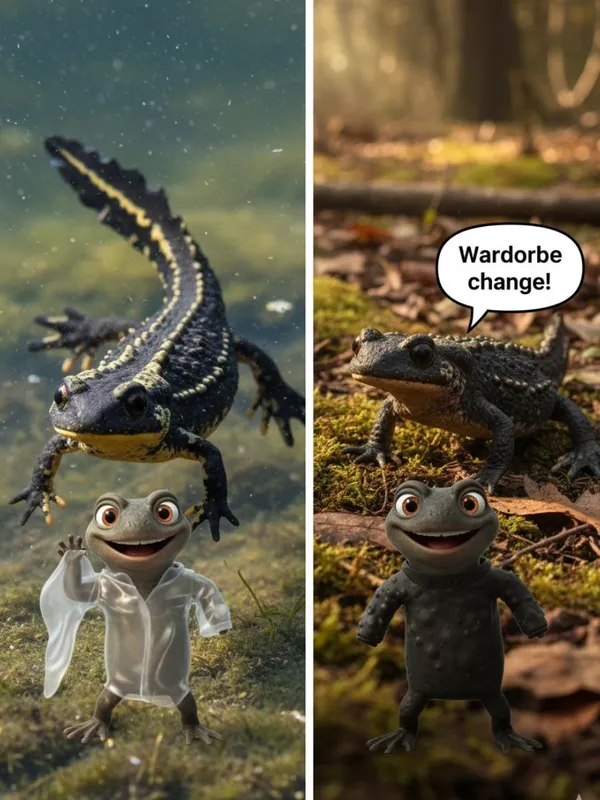
The newt has two 'outfits'! In the water, its skin is smooth and slimy to make swimming easier. But when it moves to land, its skin becomes rougher and drier to better protect it from drying out.
Watch out, it's protected!
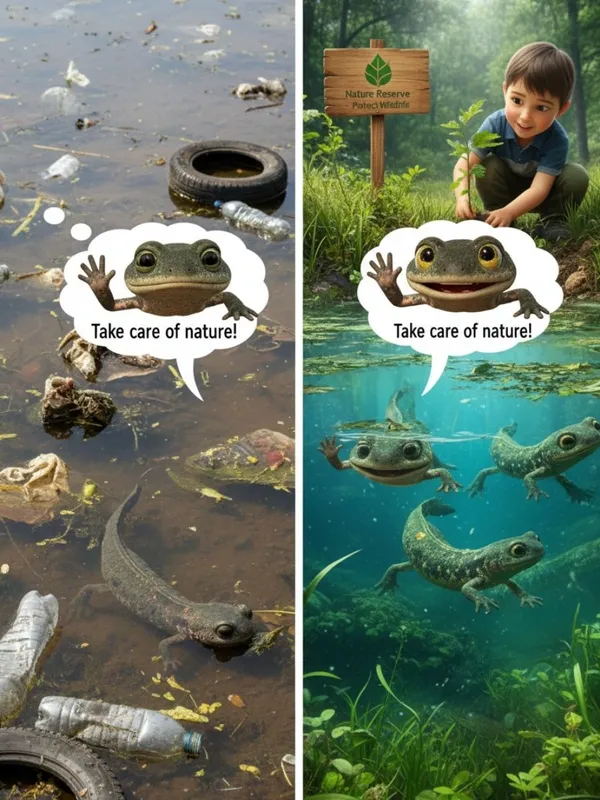
The great crested newt is listed in the Red Data Book of many countries and is under legal protection. This means it must not be caught, and its habitats must be shielded from pollution. It is very important for the overall health of our water bodies!
A Long Life:
A great crested newt can live quite a long time for an amphibian—up to 10-15 years, and sometimes even longer! This shows how well-adapted it is to its environment, as long as humans do not interfere with its life.