Julus scandinavius
Hello, young nature explorers! Julus scandinavius is a long millipede that scurries through the forests of Europe, like a tiny forest express train! It doesn't bite, but hides under leaves and helps enrich the soil. 😎
What is Julus scandinavius?
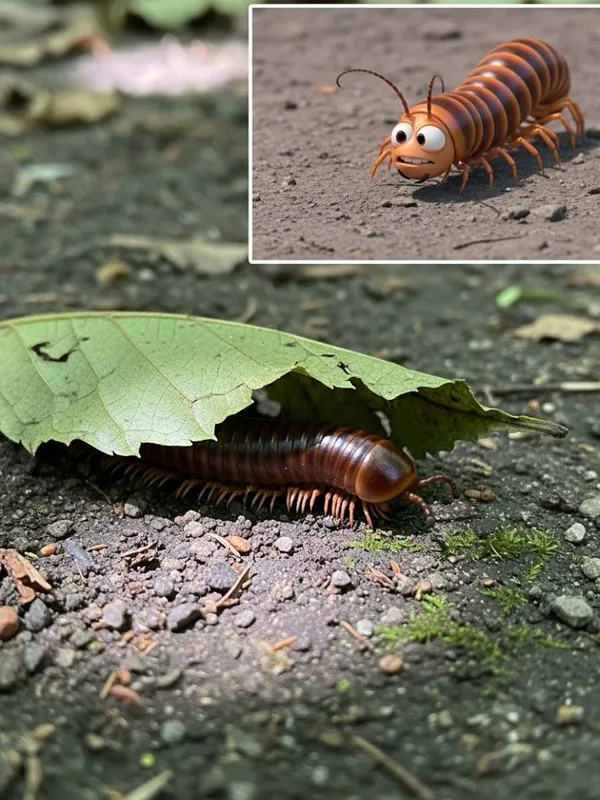
Julus scandinavius is a millipede belonging to the Julidae family, found throughout Europe. 🕷️ It is neither a spider nor an insect, but a member of the class Diplopoda (millipedes), characterized by having two pairs of legs on almost every body segment. Children often call it the 'little forest worm' because of its long body!
What Does the Julus Look Like?
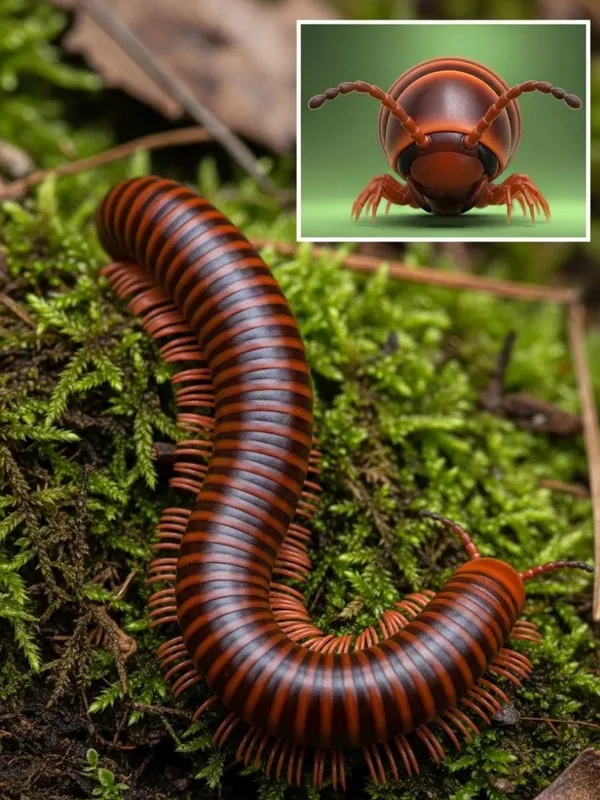
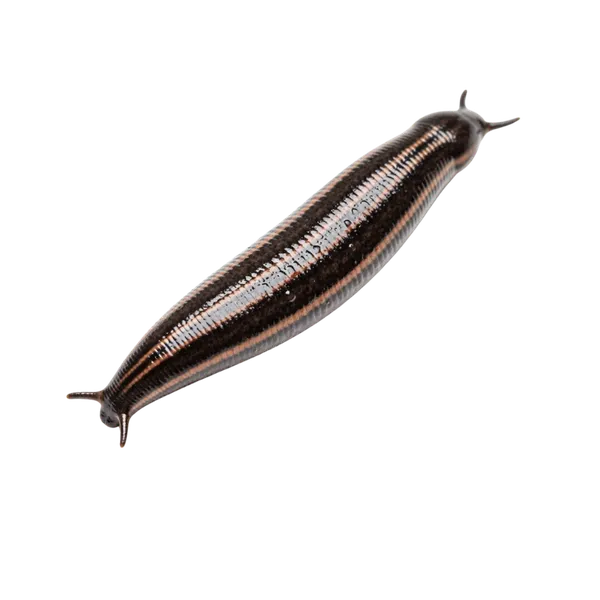
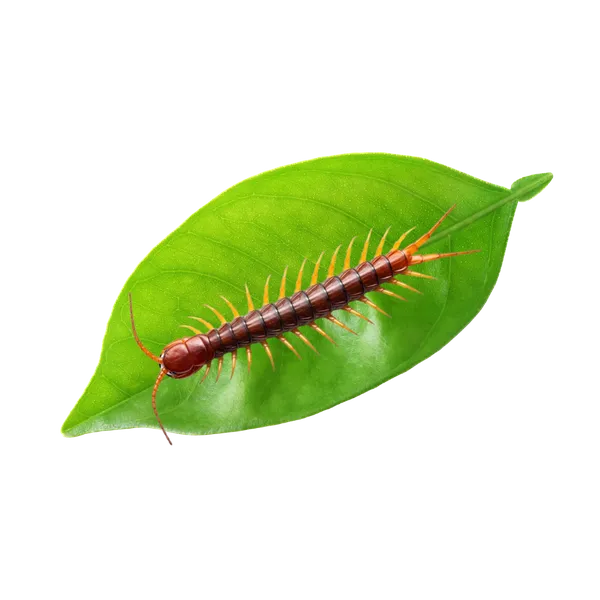
The Julus has a long, dark brown or black body, often featuring longitudinal stripes on each segment, similar to a zebra. It grows to about 3–4 cm, boasting 40–50 pairs of legs that flicker like waves as it moves. Its antennae are short, and its head is small—it looks just like a wriggling shoelace!
Small in Size, But Big on Legs!
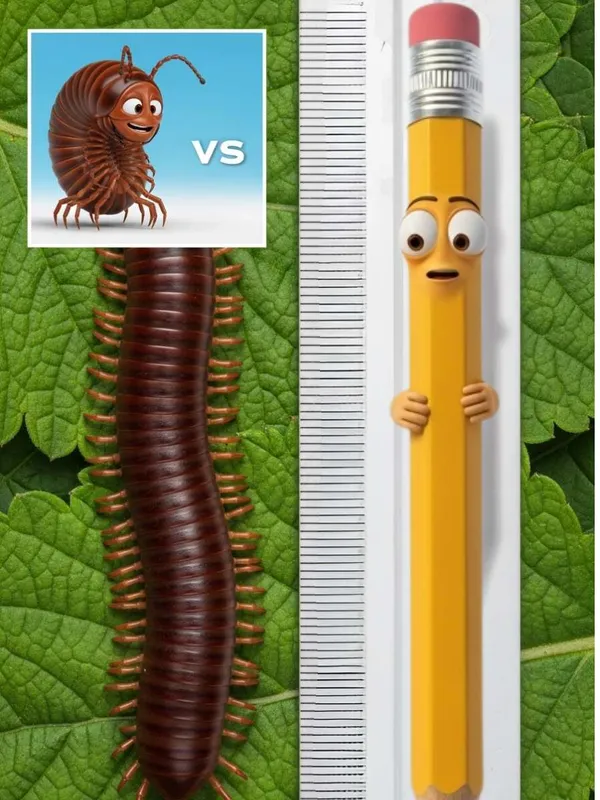
An adult Julus grows up to 3–4 cm long, about the size of a very small, worn-down pencil, and weighs less than a single gram, like a feather. 🪶 It can have up to 100 legs, but they aren't all identical—the first few pairs are longer, making it look like a true running champion!
Where Does the Julus Live?
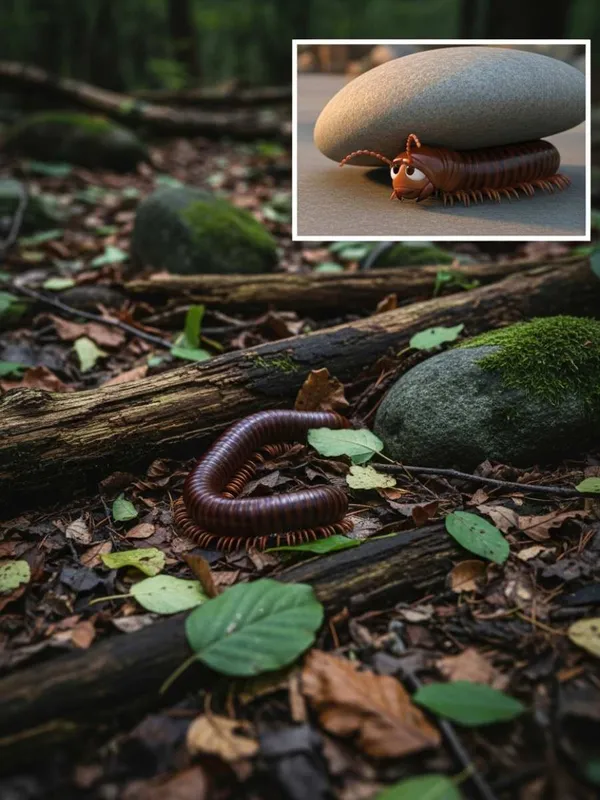
The Julus primarily inhabits Central Europe, including countries like Austria, Germany, France, the Czech Republic, Poland, and Scandinavia (with the notable exception of Finland). 🌳 It thrives in damp forests, gardens, and under leaf litter, where it hides during the day and emerges to search for food at night.
What Does the Julus Eat?
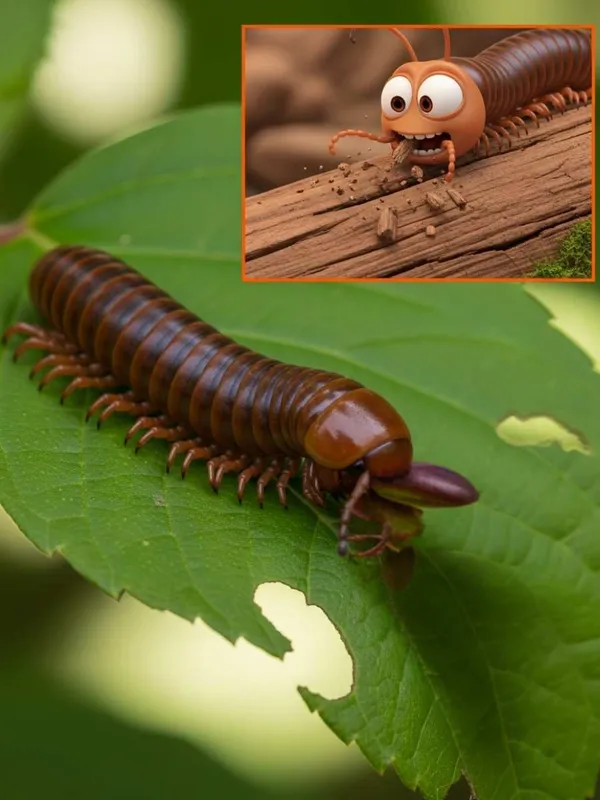
The Julus is a vegetarian! 🥬 It munches on rotten wood, decaying leaves, and fungi, helping to break down organic matter—it's like a tiny forest cleanup crew. It poses no threat to humans; its jaws are designed to chew soft food, working like tiny scissors.
Superpowers: Speed and Camouflage!
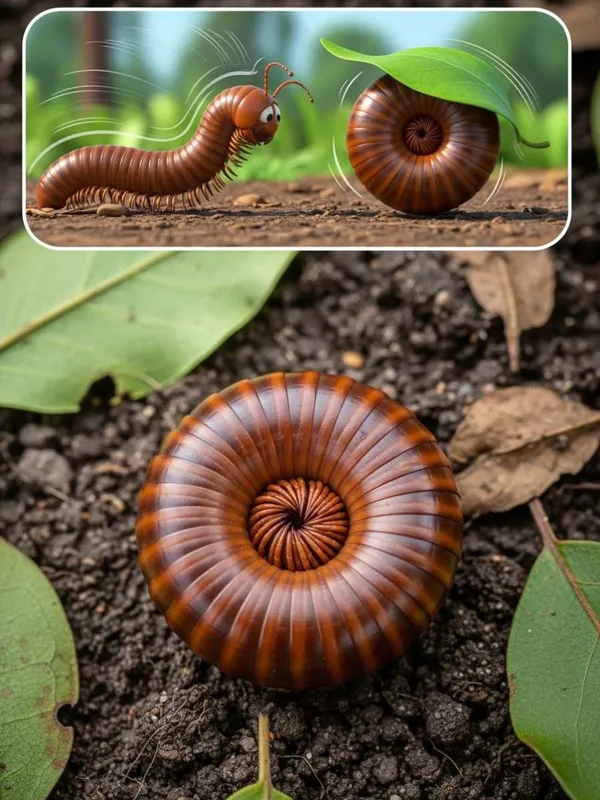
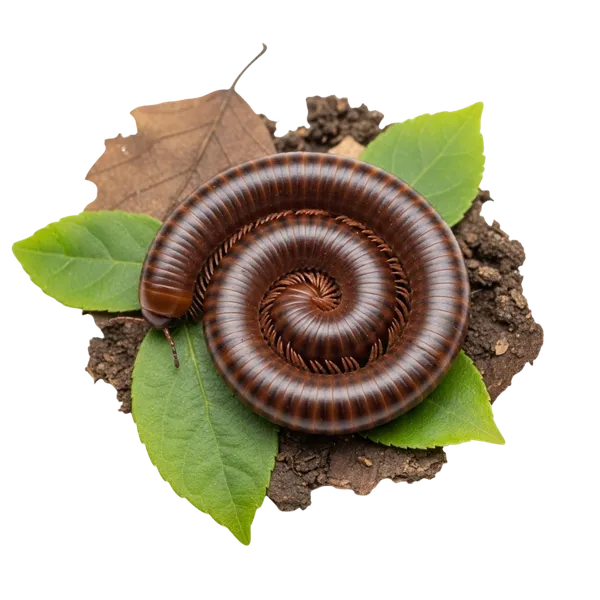
The Julus runs quickly, wriggling its body as it goes, and rolls up into a tight ring, like a spiral, when it feels threatened. 😲 Its stripes help it blend seamlessly with the leaves, acting as perfect soldier camouflage!
Life Cycle
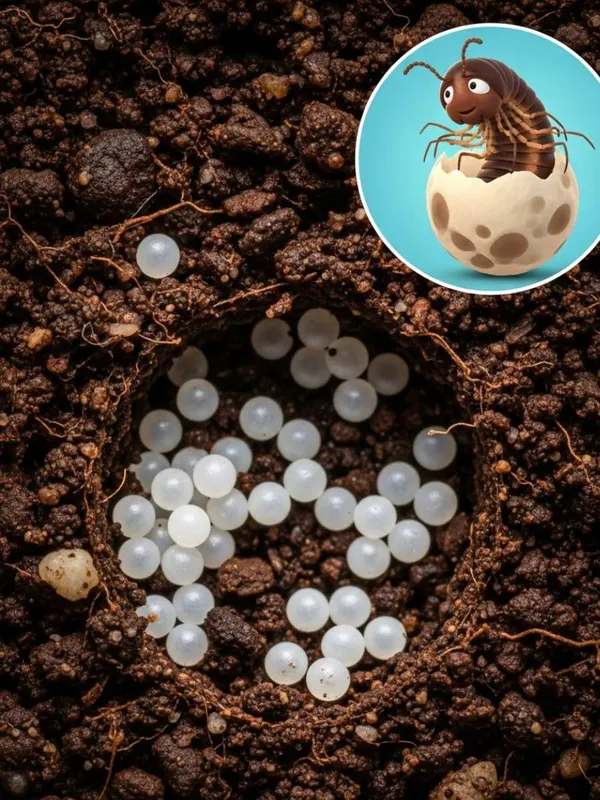
The female lays up to 100 eggs in the soil, resembling tiny pearls. 🥚 Hatchlings emerge with only 7 pairs of legs and continue to grow, adding new segments and legs until they reach adulthood. Julus millipedes live for 2–3 years, molting their skin regularly, much like changing an old suit.
Fun Fact: The European Traveler!
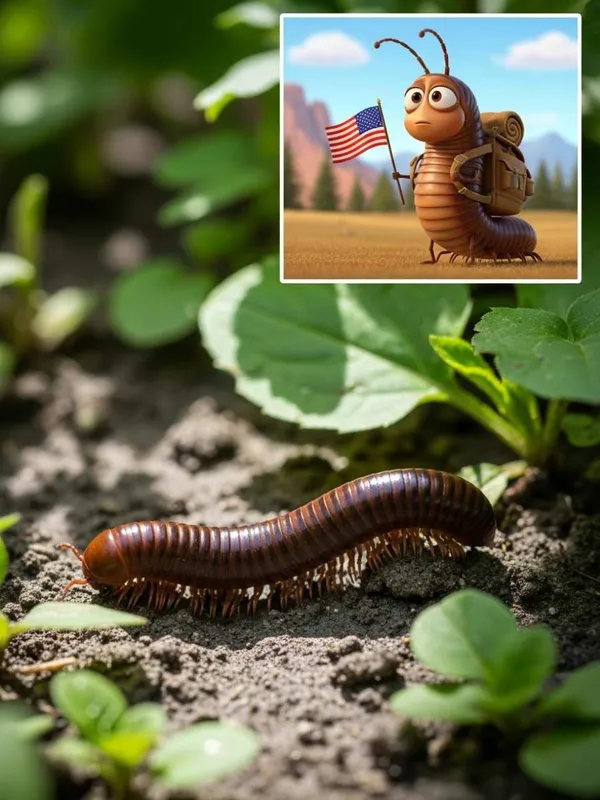
The Julus is one of the most widespread millipedes in Europe, but interestingly, it was accidentally introduced to the United States! 😲 It significantly helps the soil by decomposing leaves, and sometimes it is spotted in gardens, treated like a welcome forest guest.
Julus in Culture
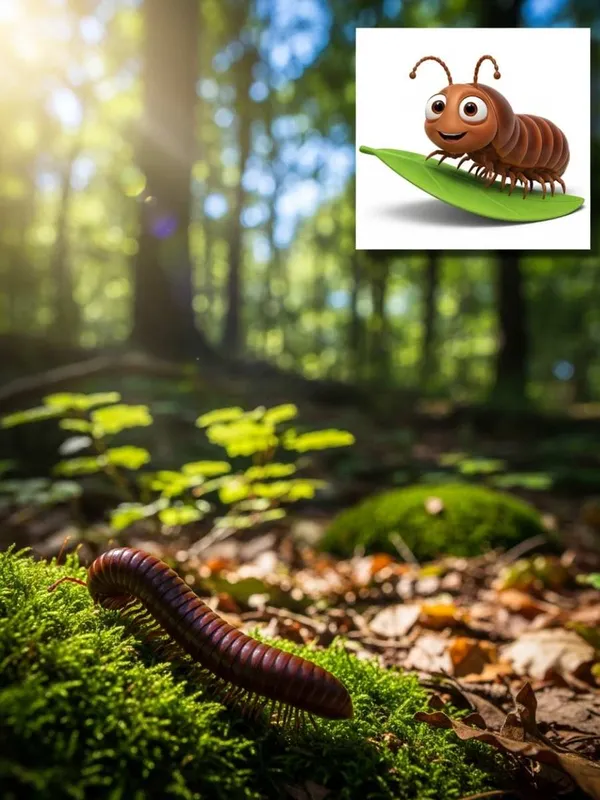
Millipedes, like the Julus, sometimes appear in fairy tales about forest spirits, where they are often portrayed as swift, helpful creatures! 🎬 Children often draw them for biology lessons, illustrating their long bodies covered in many legs, just like in a comic book.
How Can You Help the Julus?
Julus millipedes are vital for soil health but suffer severely from chemicals used in gardens. 😿 You can help by avoiding pesticides and ensuring leaf litter remains undisturbed in the forest. Become a protector of these multi-legged runners!