Moths
These facts help understand that moths are not just a pest, but also an important part of nature with many interesting characteristics:
Diversity of Species
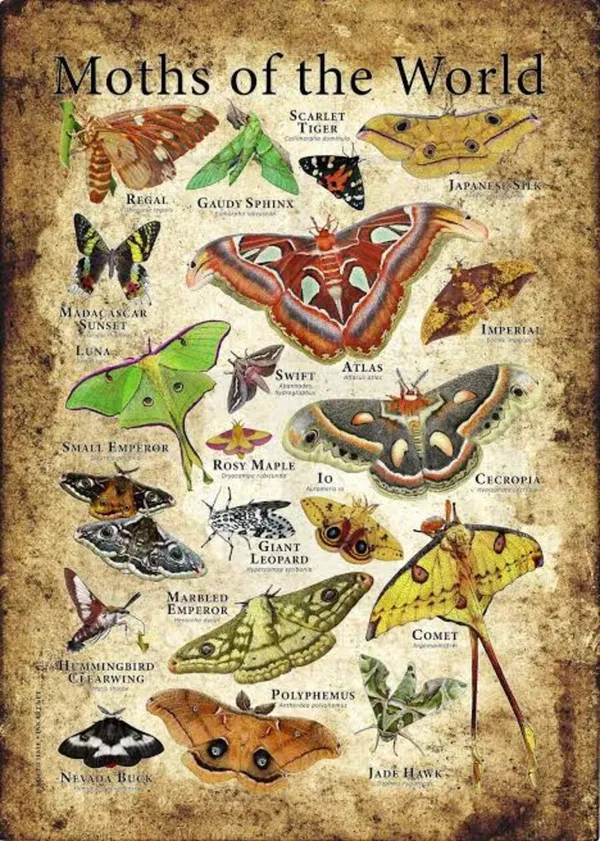
Moth is a name given to many types of insects that belong to the butterfly family. There are over 160,000 species of moths around the world! They can be in different sizes and colors.
Nocturnal Life

Unlike many butterflies, moths usually live a nocturnal life. They are active in the dark and are attracted to light. That's why you often see moths flying towards lamps or lanterns.
Not All Moths Are Harmful
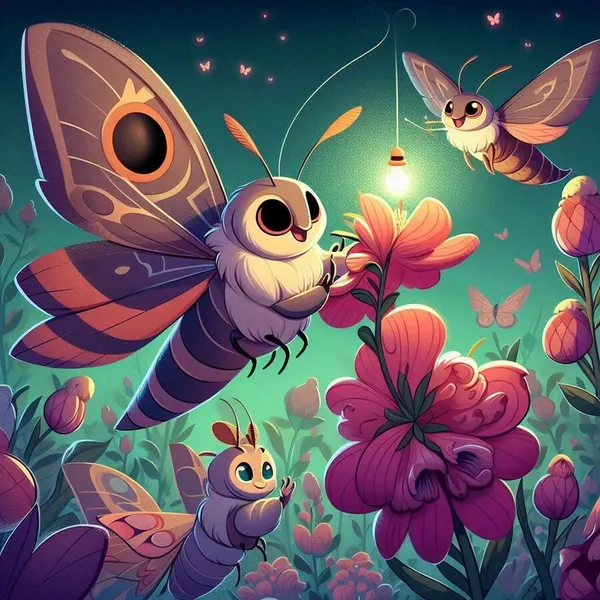
Not all types of moths are harmful to humans. Many species live in nature and play an important role in the ecosystem, helping to pollinate plants and serving as food for other animals.
Where Silk Comes From
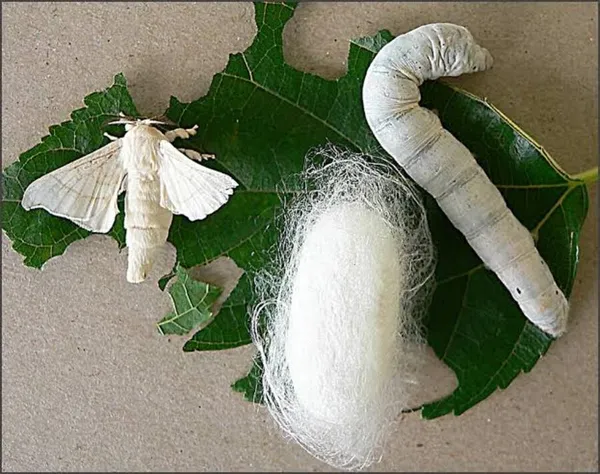
Some species of moths, such as silkworms, are a source of natural silk. The larvae weave cocoons of silk threads, which are then used to produce silk fabrics.
Moths and Clothes
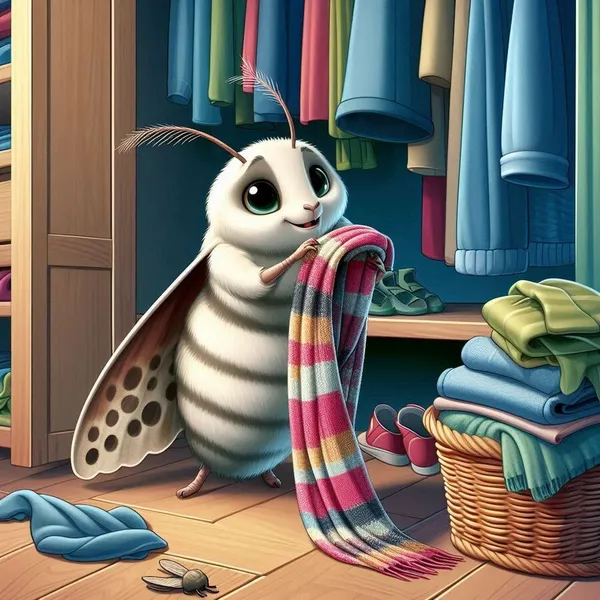
The moth known for destroying clothes is called the clothes moth. The larvae of this moth feed on natural fibers such as wool, cotton, and silk. Therefore, it is important to store clothes in sealed containers to protect them from moths.
Short Life Cycle
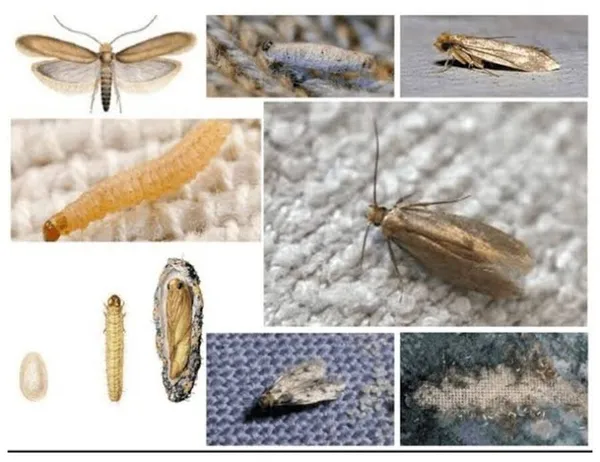
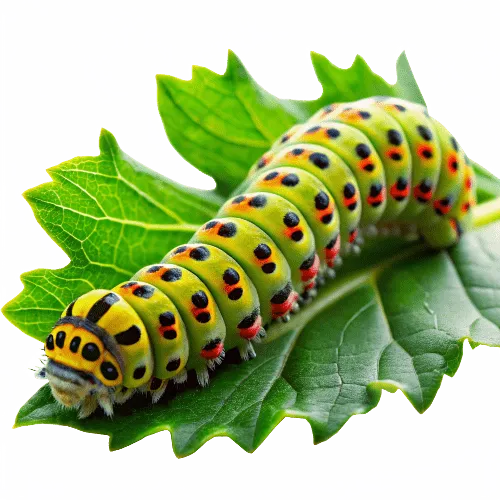
Moths go through several stages in their life cycle: egg, larva, pupa, and adult insect. The larvae, or caterpillars, can be very voracious and feed on a variety of materials depending on the type of moth.
Winter Hibernation
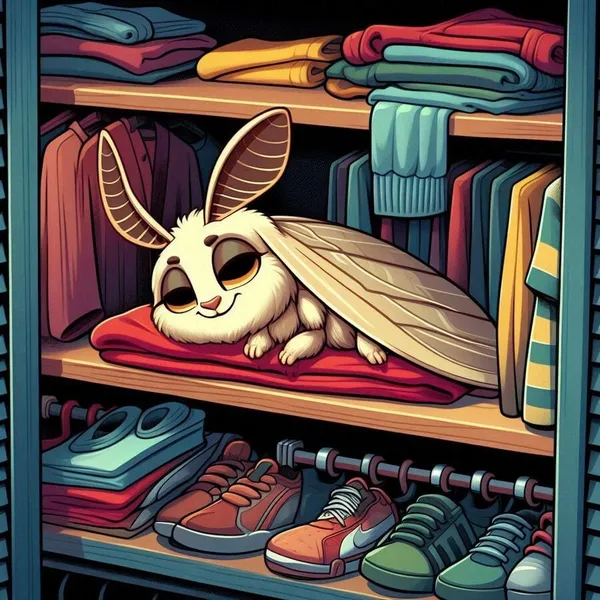
Some types of moths can enter a state of hibernation during the winter. This helps them survive the winter and continue their life cycle in the spring.
Diverse Dietary Preferences

Moths can feed on a variety of products. For example, food moths prefer grains, flour, and other products stored in the kitchen. Therefore, it is important to keep products in tightly sealed containers.
Beautiful Wings
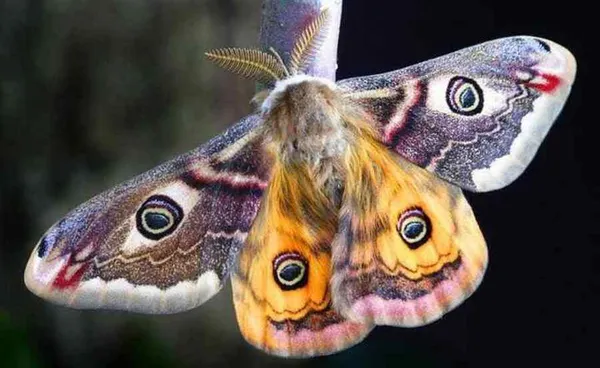
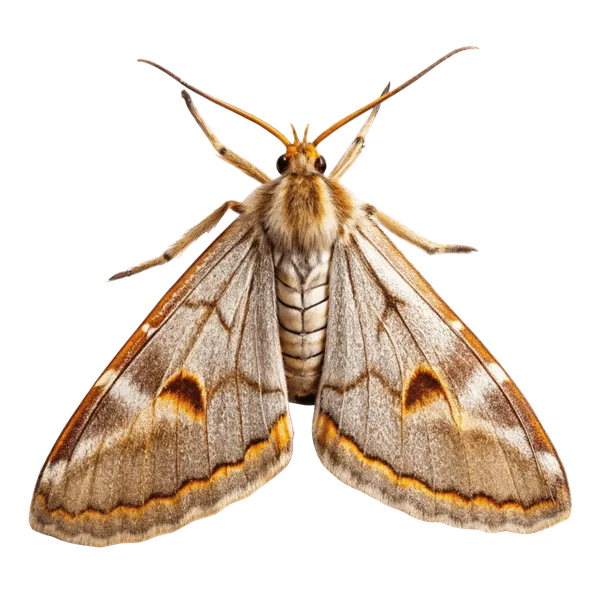
The wings of moths can be very beautiful and bright. Some species of moths have wings with patterns and bright colors that help them camouflage or scare predators.
Sensitive Antennae
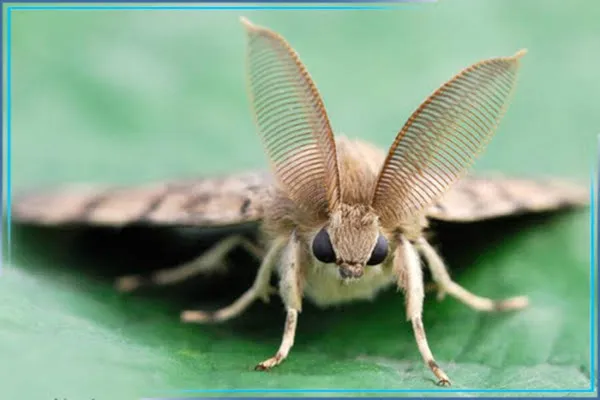
Moths have very sensitive antennae that help them find food and partners. The antennae can pick up scents from long distances, which is very important for nocturnal insects.