Space
Space is full of wonders and mysteries, and scientists continue to discover more and more new facts about it every day. Who knows, maybe one day you will become an astronaut and go on a journey to the stars!
The Infinite Space
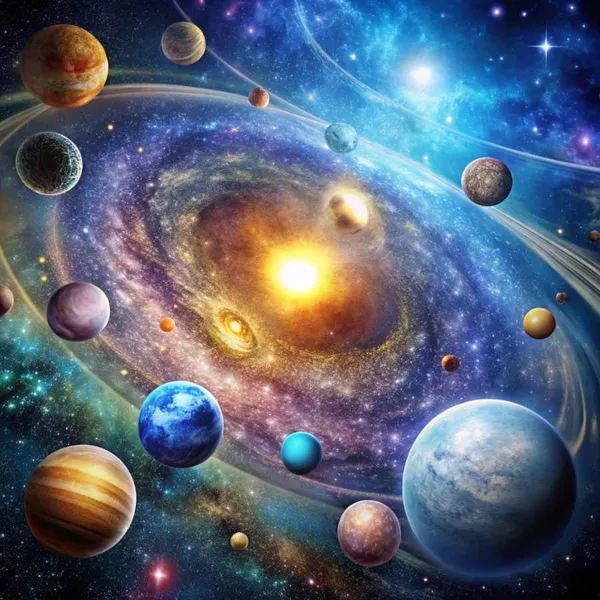
Space is so vast that its boundaries are unknown. Imagine: if you started traveling at the speed of light (300,000 km/second), it would take you millions of years to reach the farthest corners of the universe!
Stars: Giant Balls of Fire
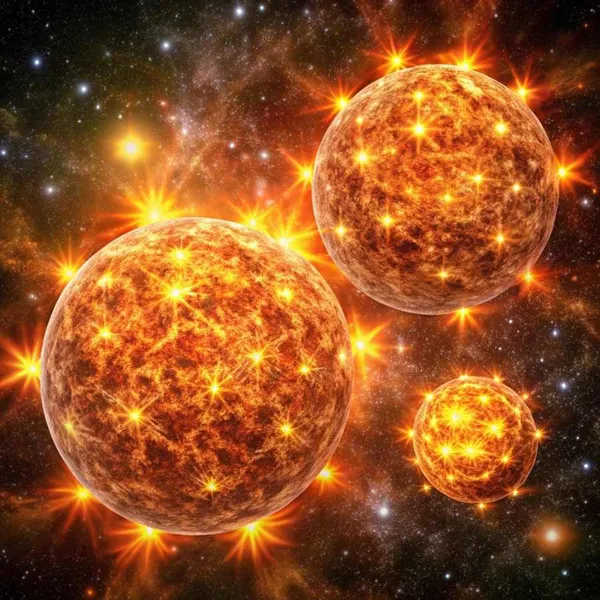
Stars are giant balls of hot gas, mainly composed of hydrogen and helium. They shine due to nuclear reactions in their cores. The sun is our closest star, and it is 150 million kilometers away from us!
Gravity
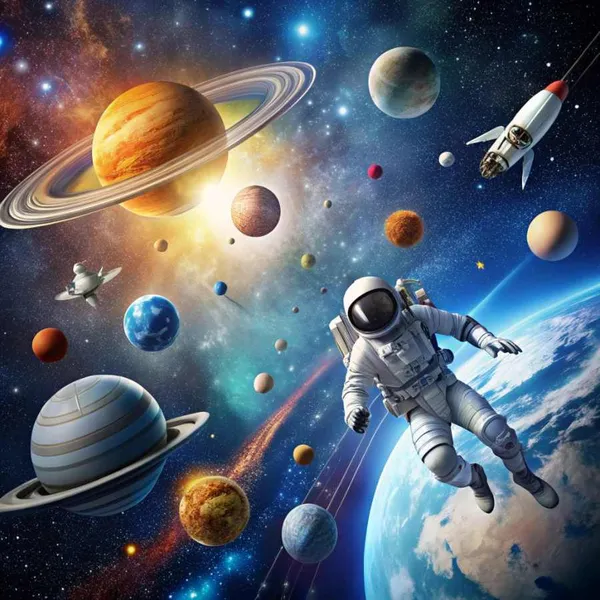
There is no air in space, and there is a lack of gravity. Astronauts can float and fly inside spaceships as if they were in a huge air cushion. But even in space, gravity works, keeping planets and stars together.
Black Holes
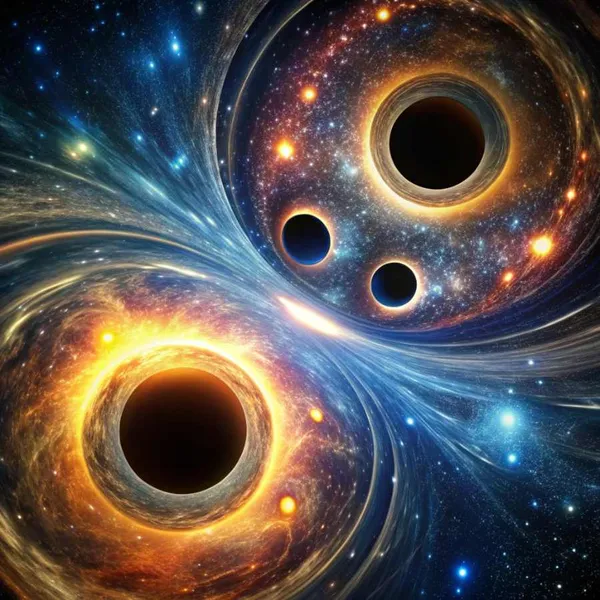
Black holes are regions in space where gravity is so strong that light cannot escape from them. They are formed when massive stars die and collapse under their own gravity. Black holes are invisible, but scientists can detect them from their effect on surrounding objects.
Giant Planets
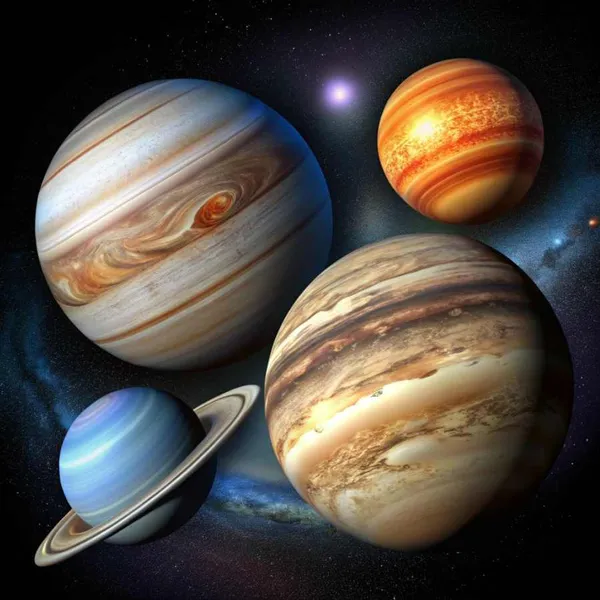
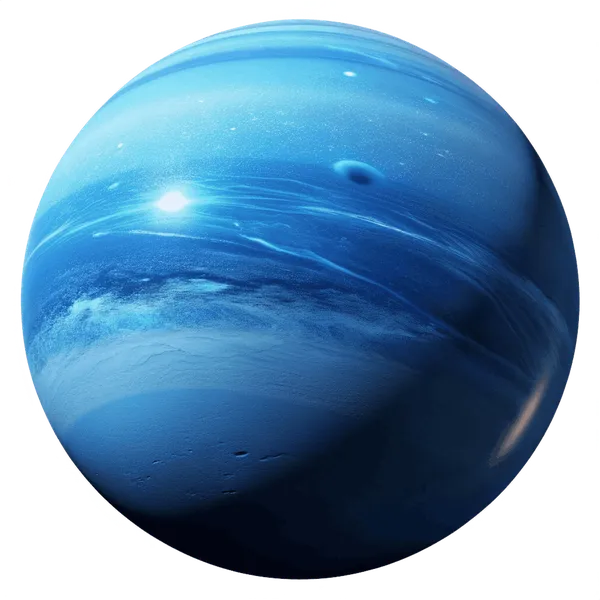
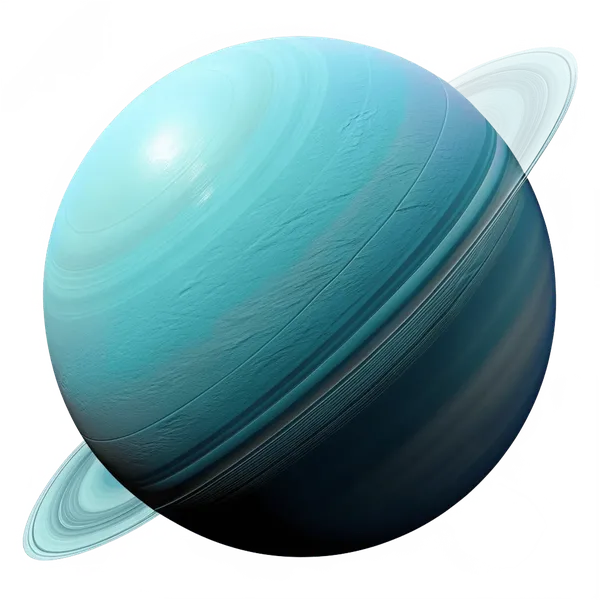
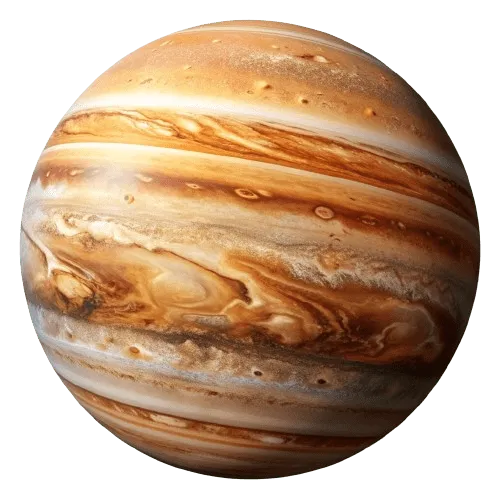
In our solar system, there are giant planets like Jupiter and Saturn. Jupiter is so huge that it can contain more than 1300 planets the size of Earth. And Saturn has beautiful rings made of ice and rocks.
Meteors and Meteorites
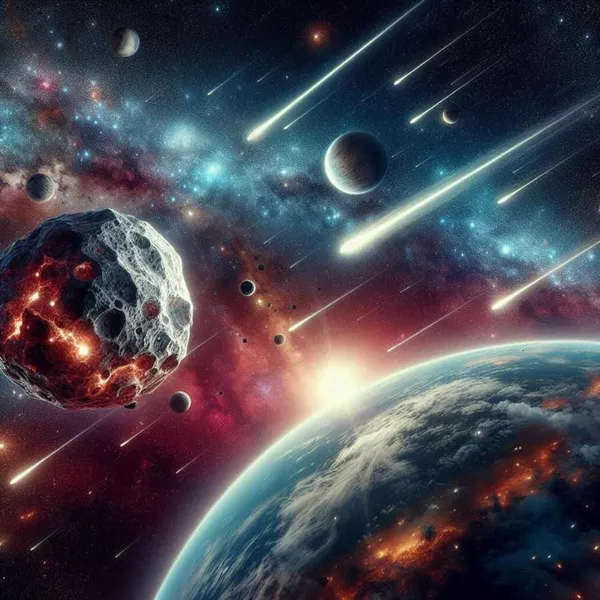
Meteors are small pieces of rock or metal that burn up when they enter the Earth's atmosphere, creating bright streaks of light. If a meteor reaches the Earth and does not burn up completely, it is called a meteorite.
Exoplanets
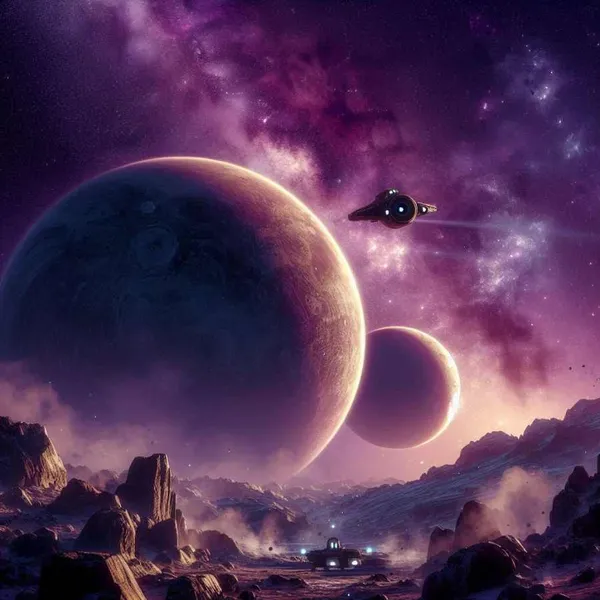
Scientists have discovered thousands of planets outside our solar system, called exoplanets. Some of them are located in regions where liquid water, the essential component of life, could exist.
International Space Station
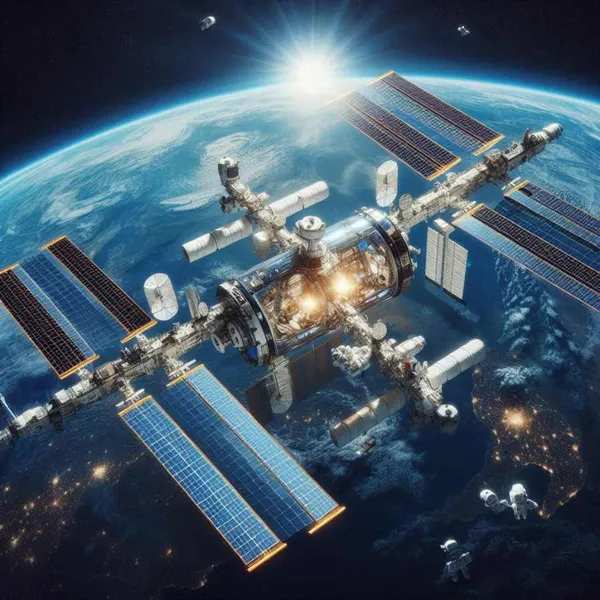
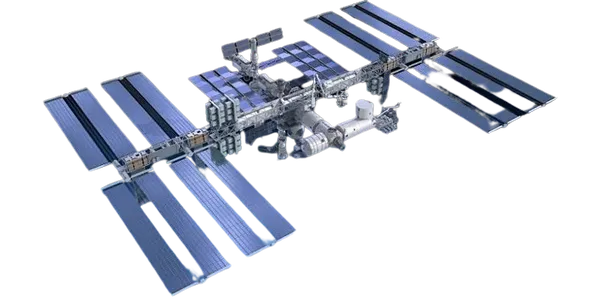
The International Space Station is a large spacecraft orbiting the Earth. It serves as a scientific laboratory where astronauts from different countries conduct experiments in zero-gravity conditions. The ISS can be seen from Earth as a moving bright spot in the sky.
Rovers and Mars Exploration
Meteors are small pieces of rock or metal that burn up when they enter the Earth's atmosphere, creating bright streaks of light. If a meteor reaches the Earth and does not burn up completely, it is called a meteorite.
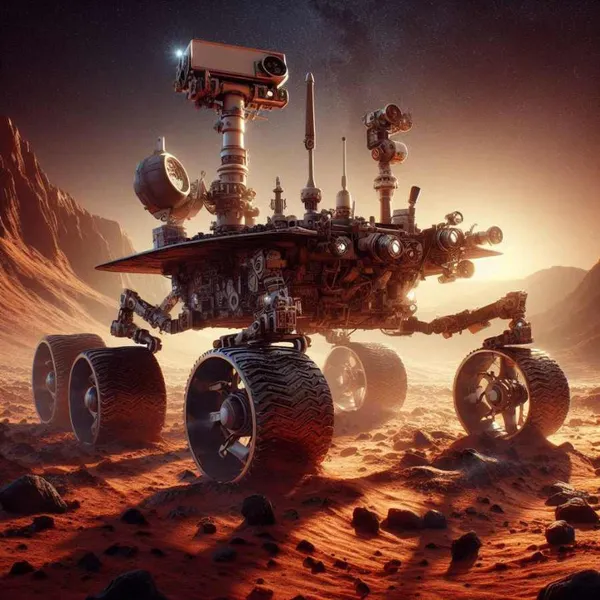
- On Mars, robots called rovers are working, exploring the surface of the planet, collecting data, and sending it back to Earth. The rovers "Curiosity" and "Perseverance" have already discovered a lot about the red planet.
The Milky Way
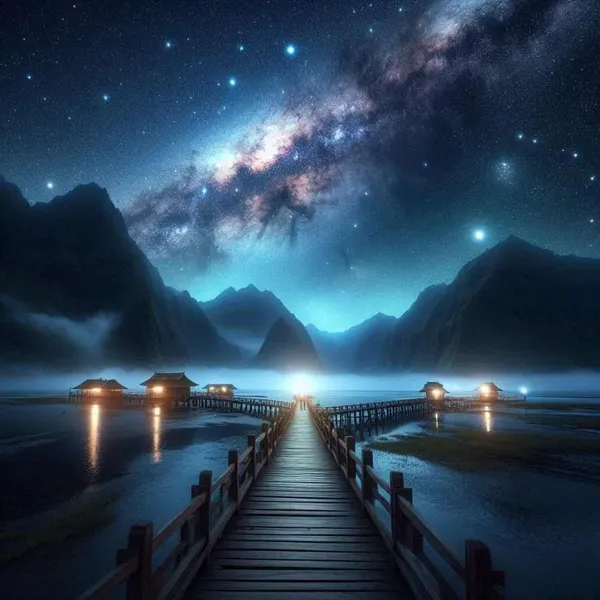
Our galaxy, the Milky Way, contains billions of stars. If you look at the night sky in a dark place, you will see a white band of light - this is the Milky Way as seen from Earth.