Archeologist
How can we find out what people dreamed about thousands of years ago and what secrets are hidden deep underground? Discover the world of ancient civilizations, become a hunter of historical treasures, and learn to reconstruct the past from a small piece of a clay jug.
Who is an archeologist?
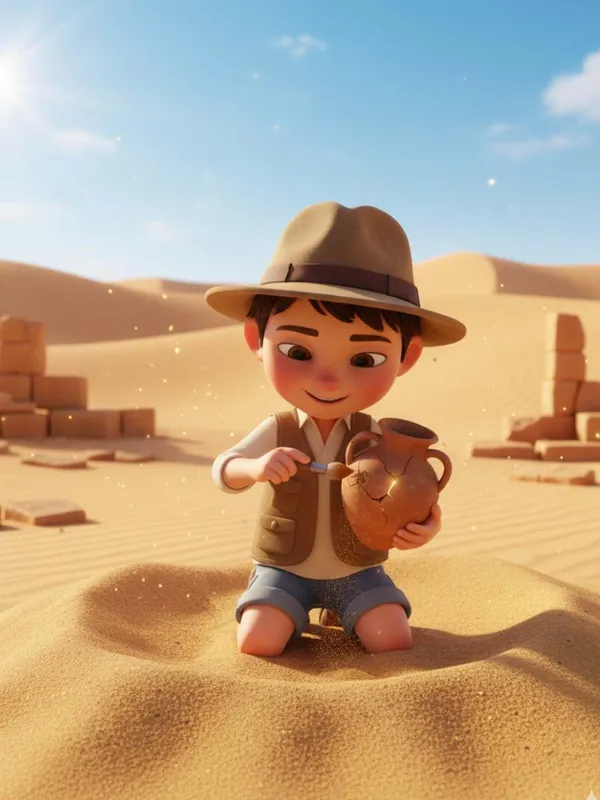
An archeologist is a scientist who studies human history through objects left behind by ancient people. They conduct excavations to find ancient coins, jewelry, tools, or even entire abandoned cities. This profession is important because it helps us understand how our ancestors lived and what great discoveries they made thousands of years ago.
What do they do every day?
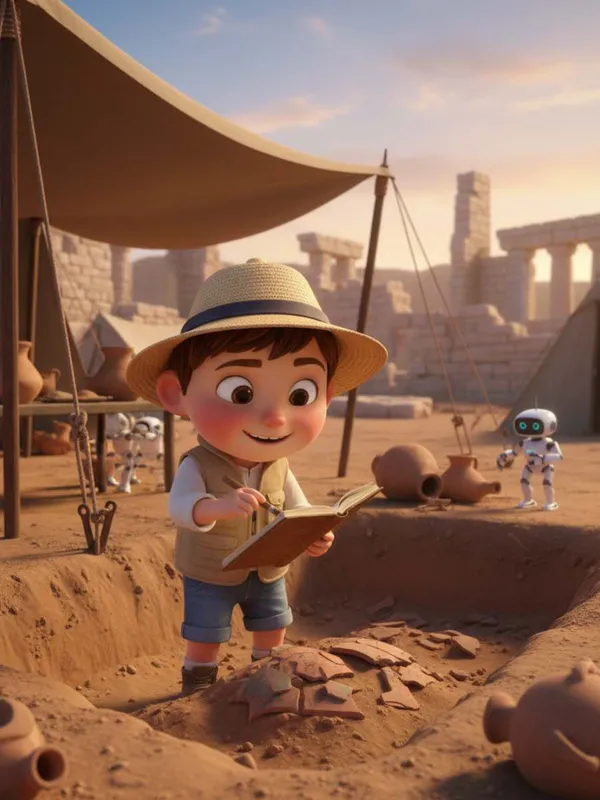
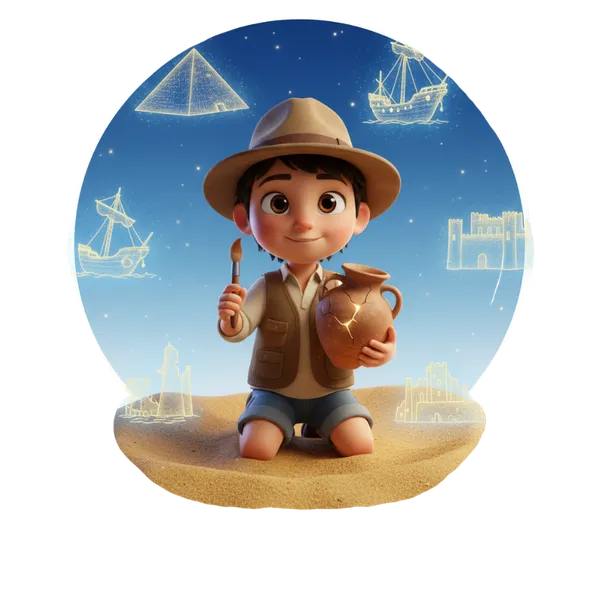
Every day, an archeologist works at an excavation site, slowly and carefully removing layers of earth. they use brushes to avoid damaging valuable finds and meticulously sketch everything they discover. After working "in the field," they move to a laboratory to clean, glue together, and study the found artifacts, unraveling their secrets.
What tools and technologies do they use?
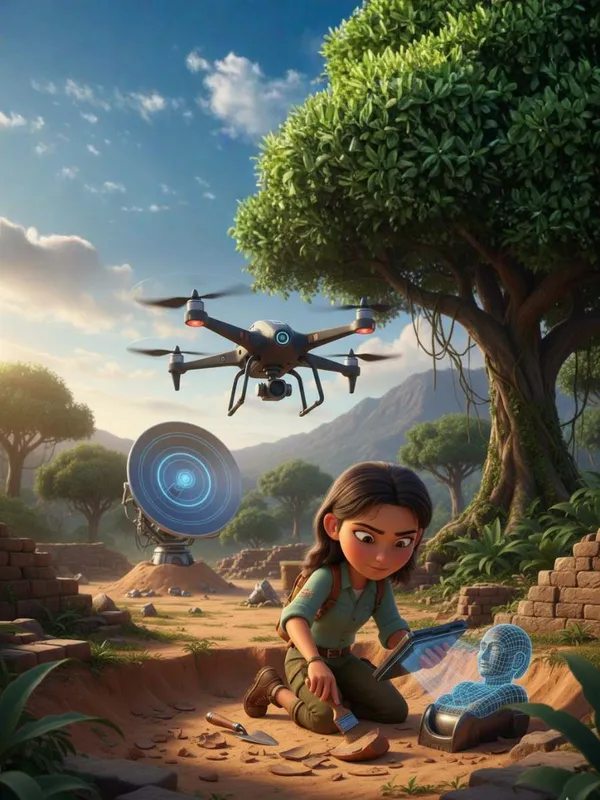
An archeologist's traditional tools include a small shovel (trowel), soft brushes, and a sieve for sifting soil. Modern scientists also use drones to photograph the terrain from above and powerful radars that see through the thickness of the soil without digging. 3D laser scanners help them create precise computer copies of ancient objects to study them without breaking them.
Where does the specialist work?
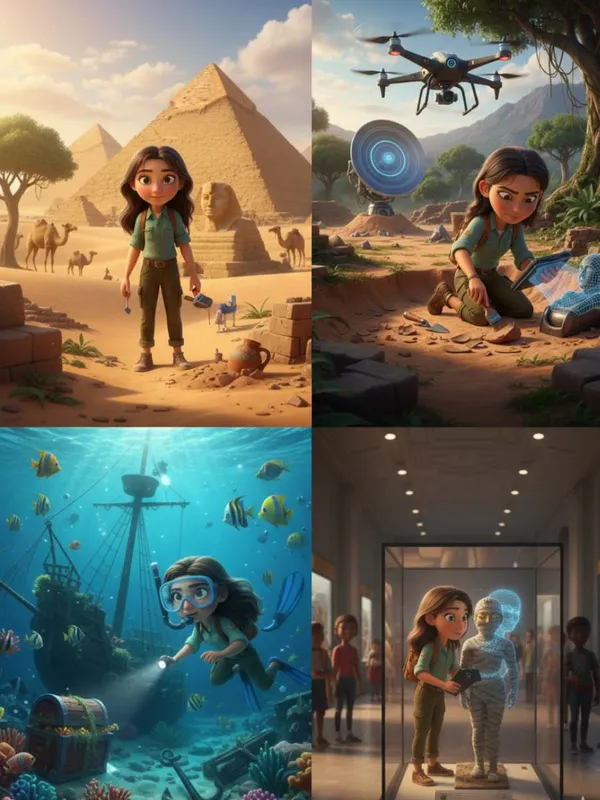
Archeologists work in many different parts of the world: from the hot deserts of Egypt to the mysterious jungles of South America. Their work can take place underwater, exploring sunken ships, or in the quiet halls of museums and universities. This profession exists in every country, as history is hidden literally beneath the feet of every nation.
Why is this profession important to people?

This profession is important because it saves our shared cultural heritage from destruction and oblivion. By finding ancient items, archeologists help us feel a connection to our history and family, understanding our origins. Knowledge of the past helps people today avoid repeating old mistakes and better appreciate the achievements we have now.
What skills and qualities are important?
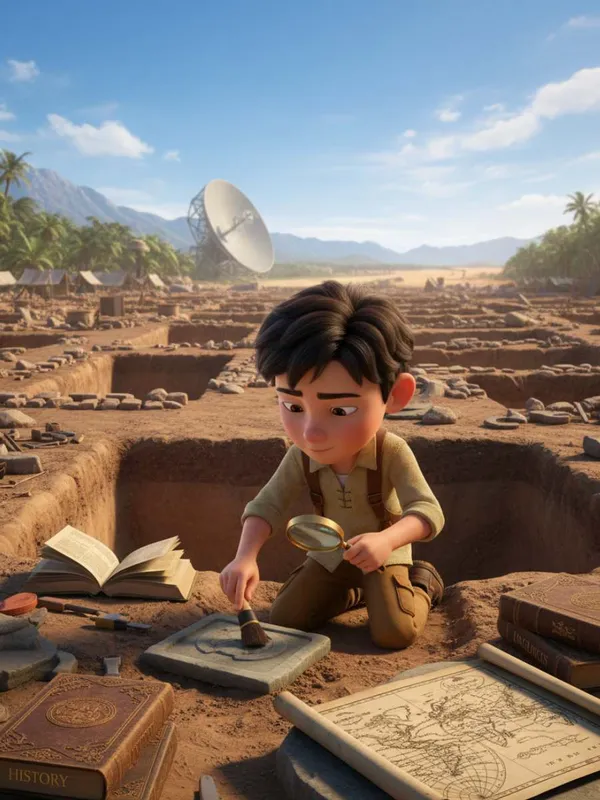
An archeologist needs to be very patient and observant, as sometimes a valuable find can be mistaken for an ordinary stone. In school, it is worth studying more history to learn about ancient cultures and geography to understand where settlements might have been located. Foreign languages are also important, as archeologists often work in international teams and read ancient manuscripts.
Interesting fact 😲
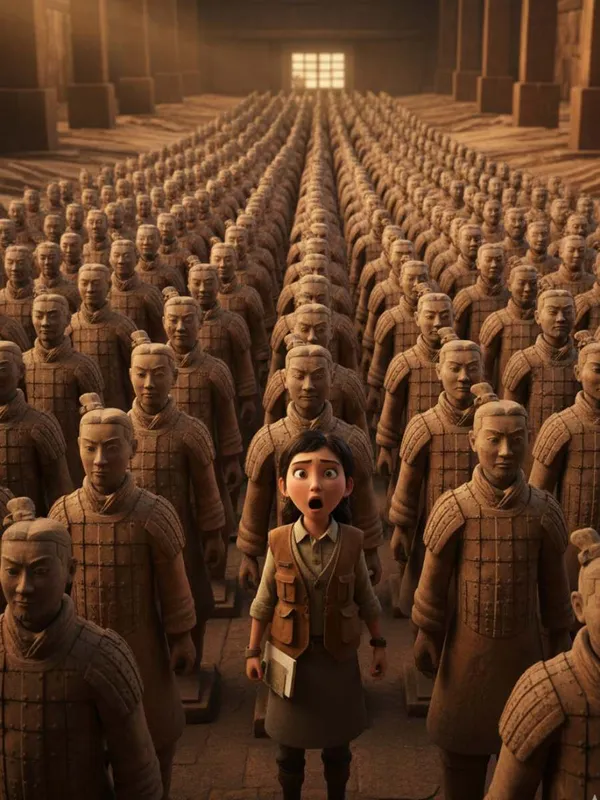
Did you know that one of the most famous monuments—the Terracotta Army in China—was found by accident by ordinary farmers who were simply digging a well? They discovered thousands of life-sized clay warriors, and each one had a unique face. This discovery showed the world how massive and amazing ancient structures hidden underground can be.
Where do we encounter this profession in life?
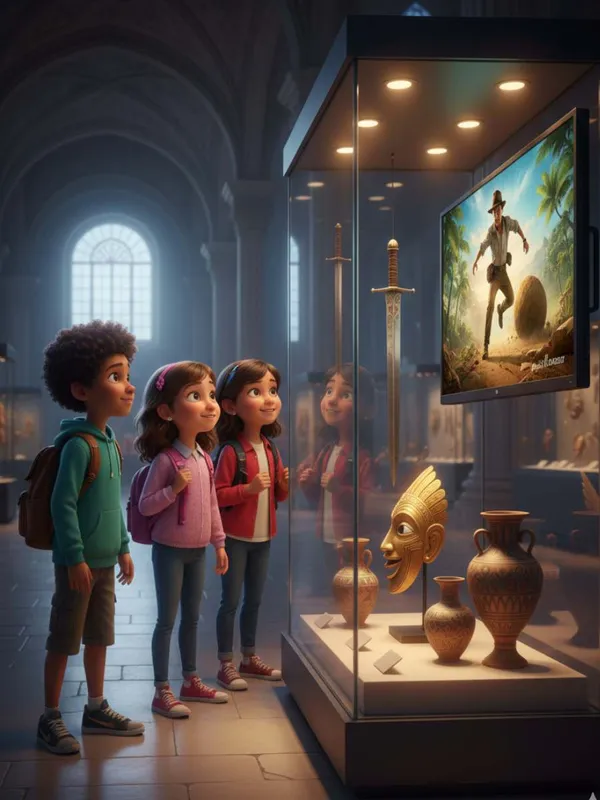
We encounter the results of archeologists' work in historical museums, looking at ancient swords, pottery, or golden masks of kings. Many exciting movies and cartoons have been made about the adventures of scientists where they solve the mysteries of pyramids or search for lost worlds. Even regular news often reports on their new finds, which change our understanding of the past.
Can a child try this profession?
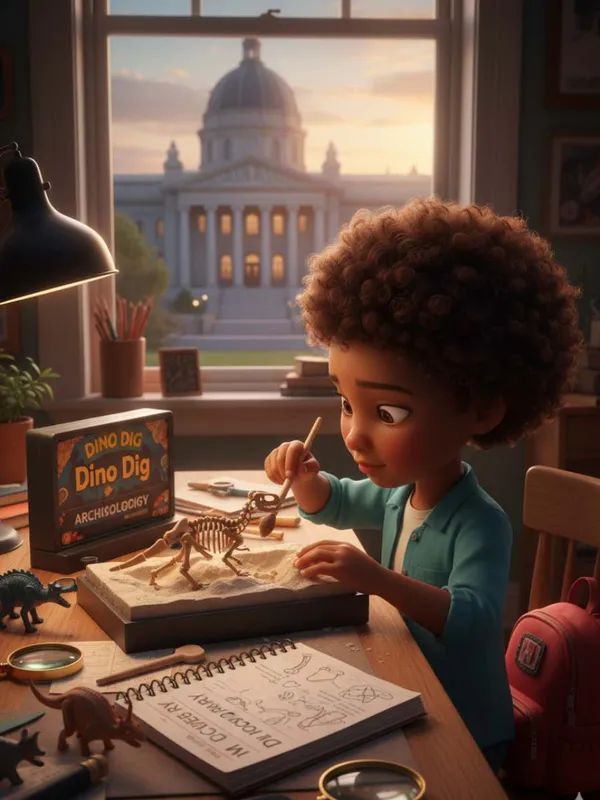
You can try this role yourself by gathering your own collection of interesting stones or studying old items found in a grandmother's trunk. There are special "Excavation" play sets where you use tools to extract a dinosaur figure from a block of plaster. Visiting museums and participating in history clubs will help you learn to distinguish ordinary things from true witnesses of history.
How will this profession change in the future?
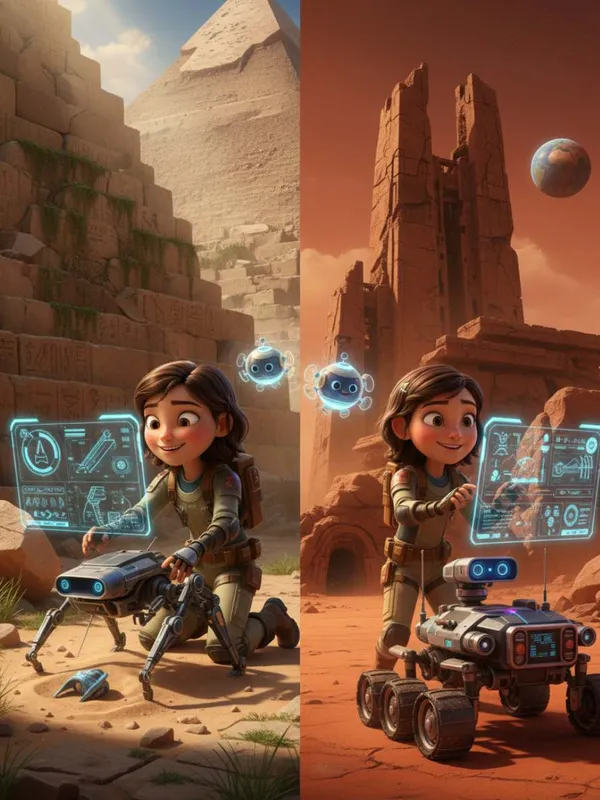
In the future, archeologists will use satellites and artificial intelligence even more often to find hidden monuments without leaving their offices. Scout robots will be able to penetrate narrow pyramid tunnels or descend to the ocean floor where it is dangerous for humans to be. But no machine will ever replace the thrill of a researcher who is the first in hundreds of years to touch a piece of living history with their own hand.