Radioactivity
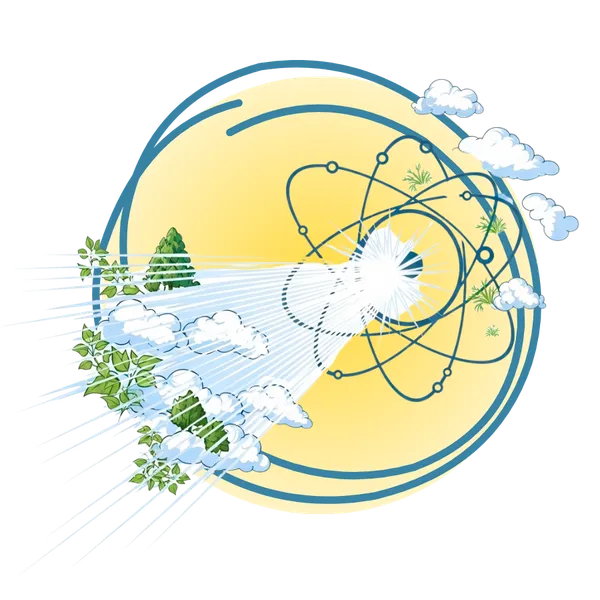
☢️ Hello, young nature explorers! Radioactivity is an amazing phenomenon where certain substances emit invisible energy, like magical sparks! It exists naturally, helps scientists and doctors, but it can also be dangerous.
What is Radioactivity?
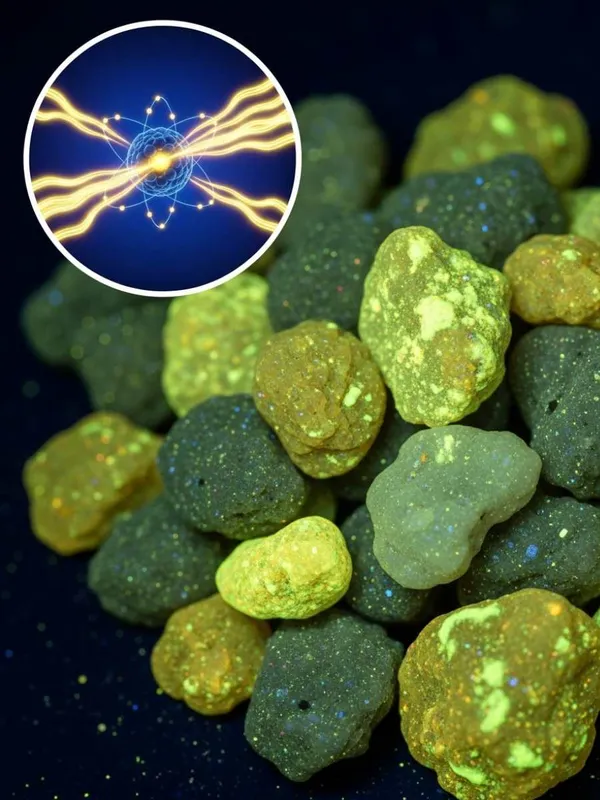
Radioactivity occurs when certain atoms in substances, like uranium, decay and release invisible particles or rays, much like a flashlight shining energy! ☢️ This is a natural phenomenon that scientists discovered over 100 years ago.
How Does Radioactivity Work?
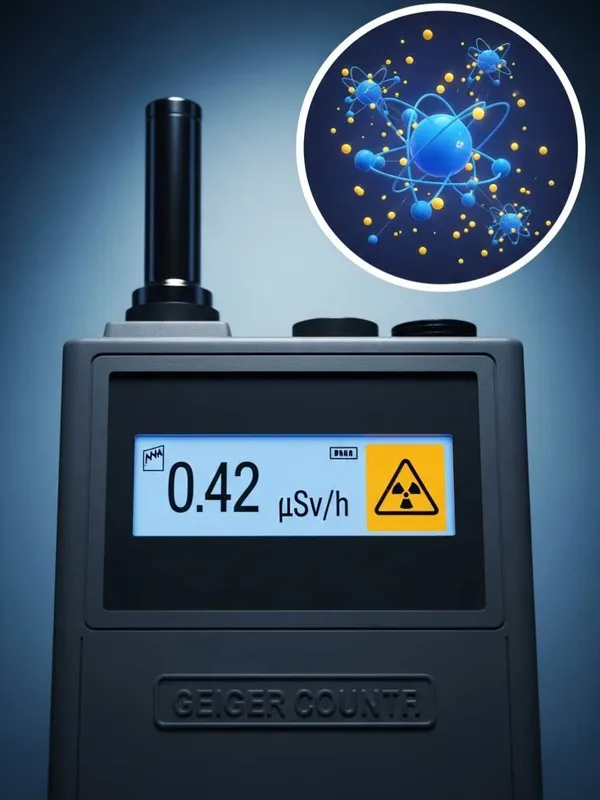
Atoms that are 'unstable' decay, emitting particles (alpha, beta) or rays (gamma). It’s like a balloon popping and releasing confetti! 🎉 These particles can heat up or alter things around them, but they are invisible without special instruments.
Where is Radioactivity Found?
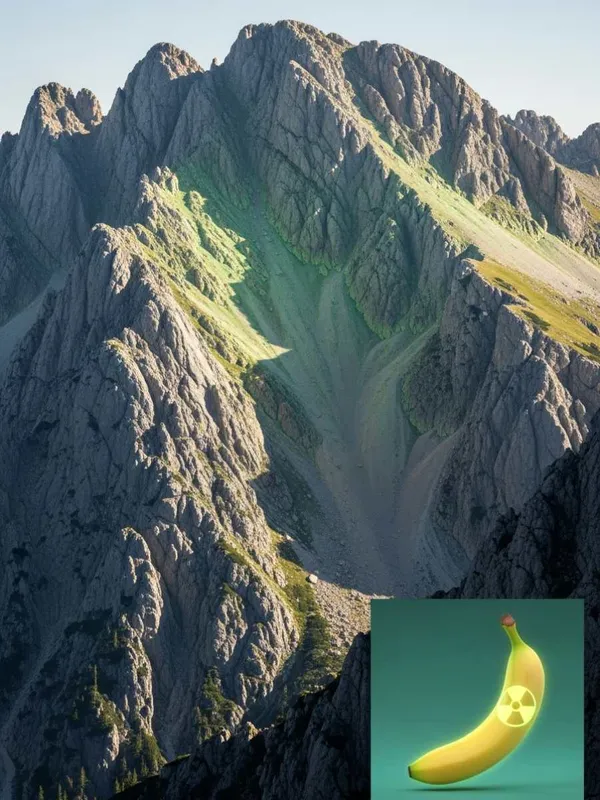
Radioactivity exists naturally: in rocks, soil, and even slightly in bananas! 🍌 It is found in mountains containing uranium, and even in space, where stars emit energy. Humans also create it in laboratories.
Why Do We Need Radioactivity?
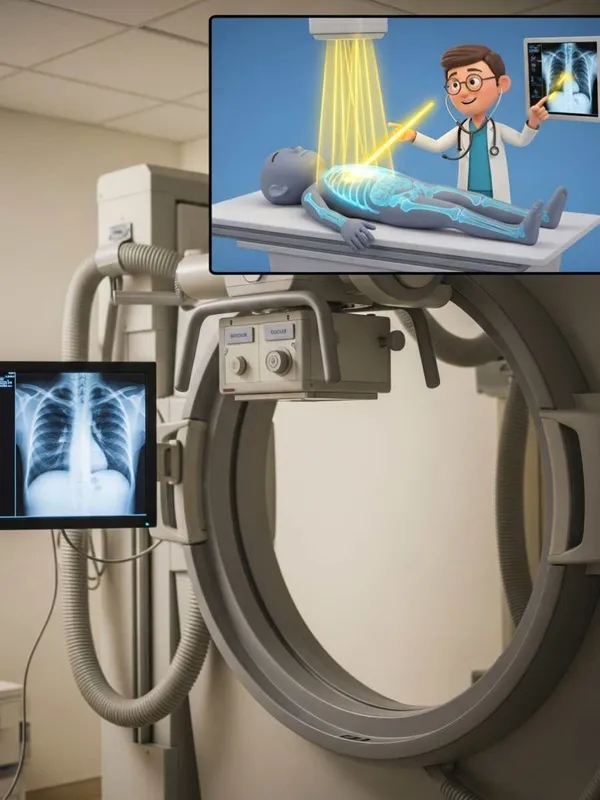
Radioactivity helps people! Doctors use it to treat illnesses, such as in X-rays or when fighting cancer. 🩺 Scientists use it to determine the age of ancient bones, and power plants use it to create energy, acting like giant batteries.
What Makes Radioactivity Dangerous?
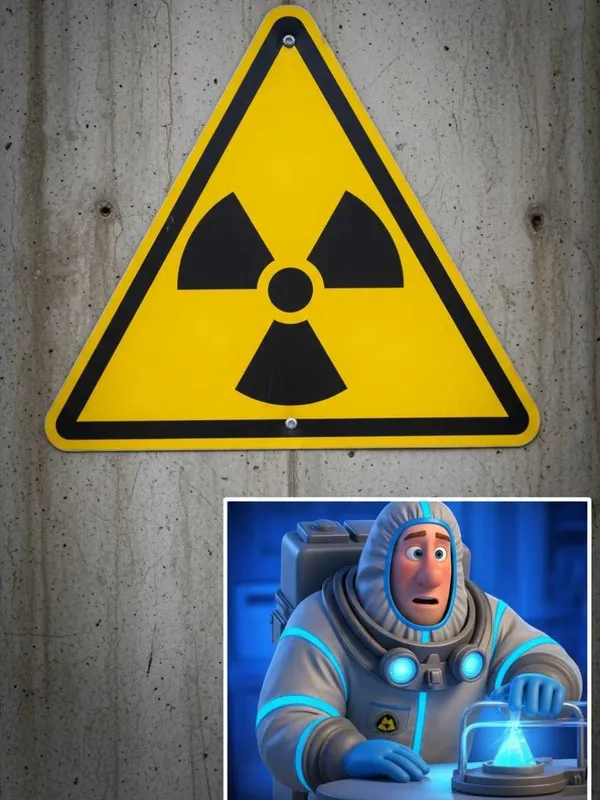
Too much radioactivity can damage living cells, much like a severe sunburn. 😿 That is why scientists work with it while wearing protective suits, and dangerous substances are stored in special containers, similar to safety vaults.
How Does Nature Cope with Radioactivity?
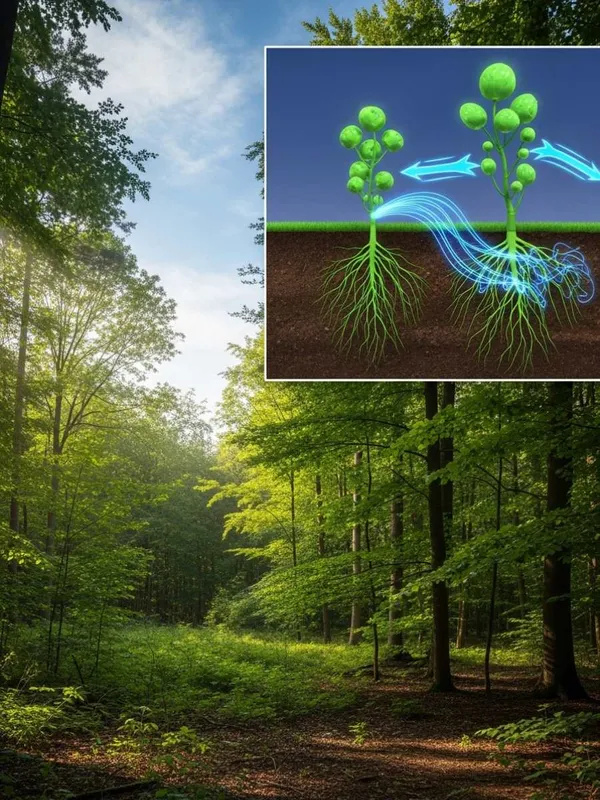
Nature knows how to 'calm down' radioactive substances: over time, they lose their energy, becoming safe. 🌍 Scientists assist by cleaning contaminated areas and planting vegetation that absorbs harmful particles.
Myth: Magical Light!
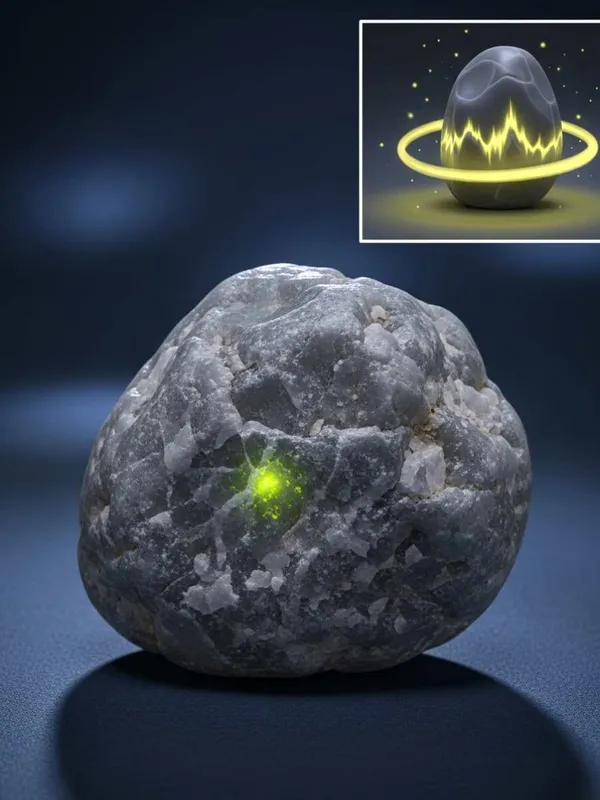
In the old days, people thought that radioactive stones glowed with magic and gave strength! 😲 We now know this is science, but we still need to be careful to use this energy wisely.